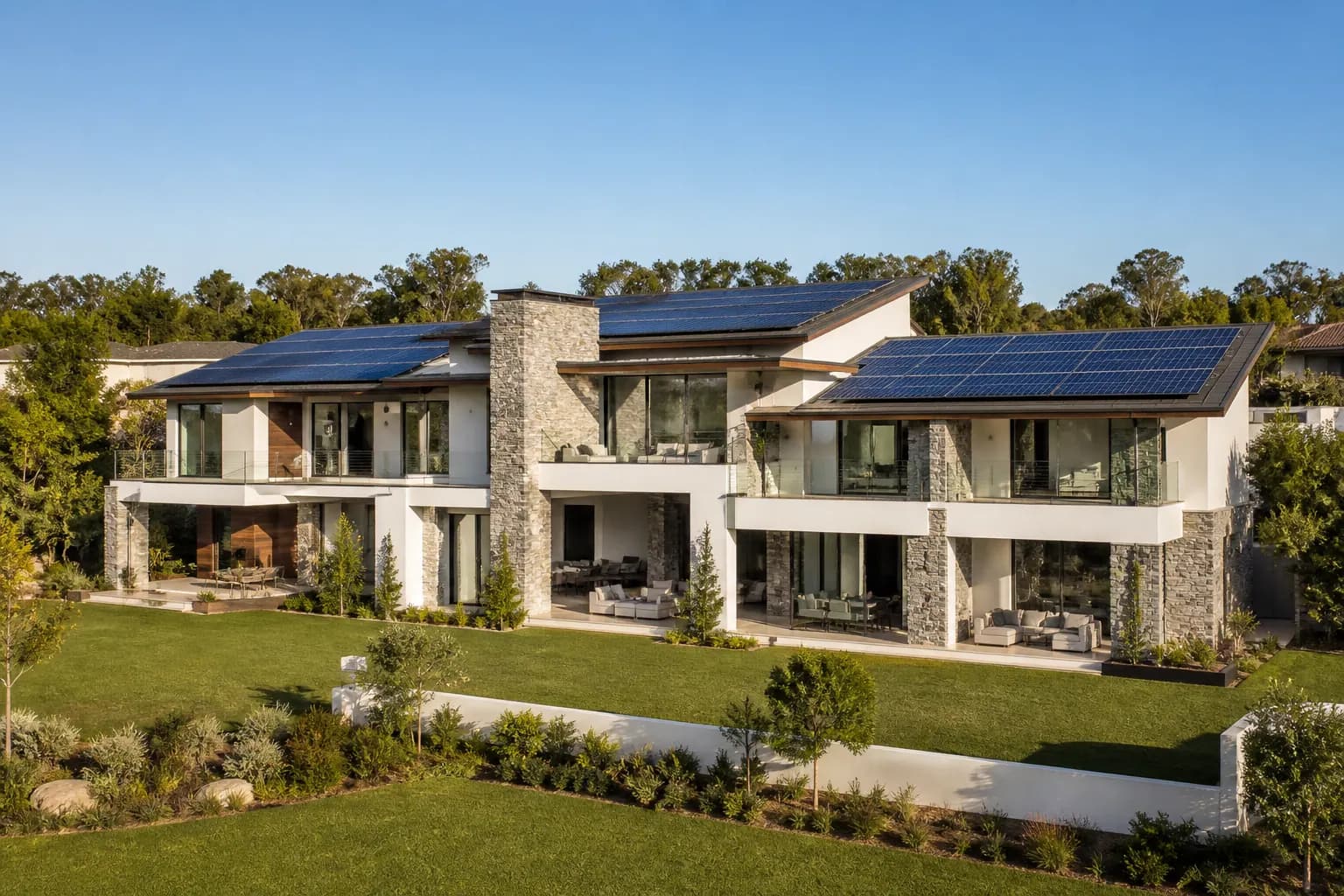
One of the first questions homeowners ask while planning rooftop solar is, "Do I also need a battery?"
The answer is not automatically yes.
A battery serves a different purpose from the solar panels themselves. Whether you need one depends largely on what you want the system to achieve.
If your main objective is to reduce dependence on grid electricity during solar-generating hours and you have a reliable grid connection, an on-grid system without battery storage may suit your requirements.
If backup during electricity outages is important, a hybrid system with appropriately designed storage may deserve consideration.
The right decision begins with your electricity usage and backup requirement—not with assuming that every solar installation needs a battery.
Does Every Rooftop Solar System Need a Battery?
No.
A grid-connected rooftop solar system can be designed without battery storage.
During sunlight hours, the solar panels generate electricity that can be used by the property. Depending on the approved grid arrangement, surplus electricity may also interact with the grid.
This type of system can be suitable when the primary objective is to use rooftop solar while maintaining a normal grid connection.
Battery storage becomes a separate decision based on backup requirements, system architecture, budget and intended use.
What Happens to On-Grid Solar During a Power Cut?
This is important to understand before choosing a system.
A standard grid-tied solar system should not be assumed to keep powering the home during a grid outage simply because sunlight is available.
Grid-connected systems include safety functions intended to prevent electricity from being fed into a grid that has gone down.
This protects people who may be working on electricity infrastructure.
Therefore, if backup during outages is an important requirement, discuss it specifically during system design rather than assuming that ordinary on-grid solar will provide backup.
When Does a Solar Battery Make Sense?
Battery storage can be useful when maintaining electricity during an outage is an important objective.
Examples may include households that want selected essential loads to remain available, such as:
- lights;
- fans;
- Wi-Fi router;
- refrigerator;
- computer or work equipment;
- security equipment; or
- selected essential sockets.
The battery requirement depends heavily on which appliances need backup and how long you expect them to operate.
A homeowner who wants only essential lighting and connectivity has a very different requirement from someone expecting air conditioners and other high-load appliances to continue operating.
This is why battery capacity should be designed around the backup load rather than selected randomly.
When Might You Not Need a Battery?
A battery may not be necessary for every homeowner.
An on-grid system may deserve consideration when:
- the grid supply is reasonably reliable;
- the main goal is electricity-bill reduction;
- backup during outages is not a major concern;
- the property has useful daytime electricity consumption; and
- the homeowner prefers a simpler system without storage.
Avoid buying a battery simply because it sounds like an essential part of solar.
First identify the problem you expect the battery to solve.
If the answer is "I don't really need backup," a battery may not be central to your solar objective.
On-Grid vs Hybrid Solar: The Practical Difference
An on-grid solar system primarily operates in coordination with the electricity grid and typically does not require battery storage.
A hybrid system combines solar with additional energy-management and storage capability, depending on its design.
From a buyer's perspective, the practical differences usually involve:
Backup requirement: A hybrid configuration may be designed to support selected loads during outages, while a standard on-grid system should not be assumed to provide outage backup.
System complexity: Adding storage introduces additional equipment and design considerations.
Initial investment: Battery storage generally adds to the project cost because storage equipment is being added to the system.
System objective: On-grid solar may suit a customer focused primarily on grid-connected solar economics, while hybrid solar can be considered where backup is also important.
The correct choice depends on the property rather than on one system type being universally better.
For a broader understanding of grid-connected electricity exchange, read our net metering guide.
Battery Size Is Different From Solar System Size
Solar capacity and battery capacity are not the same measurement.
Solar-panel capacity describes the power rating of the photovoltaic array and is generally discussed in kW.
Battery storage relates to how much energy can be stored and supplied according to the battery system's design.
A larger solar array does not automatically tell you what battery capacity you need.
Battery planning needs to consider the appliances you want to support, their power requirements, desired backup expectations and the overall system configuration.
Which Loads Do You Actually Want to Back Up?
Before asking, "What battery size should I buy?" make a list of what you actually want available during a power cut.
Start with essential loads.
For example:
- two or three lights;
- fans;
- internet router;
- refrigerator;
- computer;
- television;
- selected sockets.
Then separate high-load appliances such as large air conditioners, water heaters, pumps or other heavy equipment.
Expecting many high-load appliances to operate changes the storage and inverter requirement substantially.
A useful solar consultation should therefore begin with the desired backup loads rather than promising a fixed number of backup hours from a generic battery package.
Questions to Answer Before Buying a Solar Battery
Ask yourself:
- How frequently do power cuts affect me?
- Is backup actually important to my household?
- Which appliances must remain operational?
- Which appliances are optional during an outage?
- Do I need essential-load backup or broader home backup?
- How much electricity do I use during daylight hours?
- Is my main goal backup, bill reduction or both?
- What budget have I allocated for storage?
- Might I need to expand the system later?
- Where will the battery and related equipment be installed?
These answers make the on-grid versus hybrid decision much easier.
Solar Battery Planning for Jaipur Homes
Jaipur homeowners should also consider the installation environment when planning equipment.
Solar and battery equipment should be installed according to the selected manufacturer's requirements and the project's electrical design.
Equipment placement, ventilation, protection from unsuitable environmental exposure, accessibility and future maintenance should be considered during planning.
Do not select battery equipment only by advertised capacity. Compatibility with the inverter and the rest of the system matters as well.
Can You Add a Battery Later?
In some system configurations, future storage may be possible, but it should not be assumed that every existing solar inverter or installation can accept any battery later.
Compatibility depends on the original system architecture, inverter, battery technology and electrical design.
If you think you may want battery storage in the future, tell the installer during the initial planning stage.
That allows future requirements to be considered before equipment is selected.
Does a Battery Automatically Save More Money?
Not necessarily.
Battery storage changes when stored electricity can be used, but whether it improves the financial outcome depends on the property's consumption, grid arrangement, equipment cost, battery usage and the customer's objectives.
For some homeowners, backup reliability may be the primary reason for buying storage rather than additional bill savings.
If your main objective is evaluating the economics of rooftop solar itself, read is rooftop solar worth it in Jaipur?.
How SolarOnn Helps Choose Between On-Grid and Hybrid
The right recommendation should start with questions.
How much electricity does the property use?
When is electricity used?
How reliable is grid supply for that customer?
Is backup important?
Which appliances need to remain operational during an outage?
What rooftop space is available?
What is the customer's budget and long-term plan?
SolarOnn uses these considerations to help homeowners evaluate an appropriate rooftop configuration rather than automatically adding battery storage to every system.
You can also explore our residential solar installation options and rooftop solar solutions.
Not Sure Whether You Need a Battery?
SolarOnn can assess your electricity usage, backup requirements and rooftop conditions before recommending an on-grid or hybrid configuration.
FAQ
Article FAQs
Quick answers related to this solar guide.
No. Grid-connected rooftop solar can be designed without battery storage. Whether you need a battery depends on your backup requirements and the type of solar system selected.
Still have questions?
Contact Our Solar ExpertsOr browse the complete FAQ hub for detailed answers by topic.
Related articles
Continue exploring SolarOnn’s solar energy blog for Jaipur.
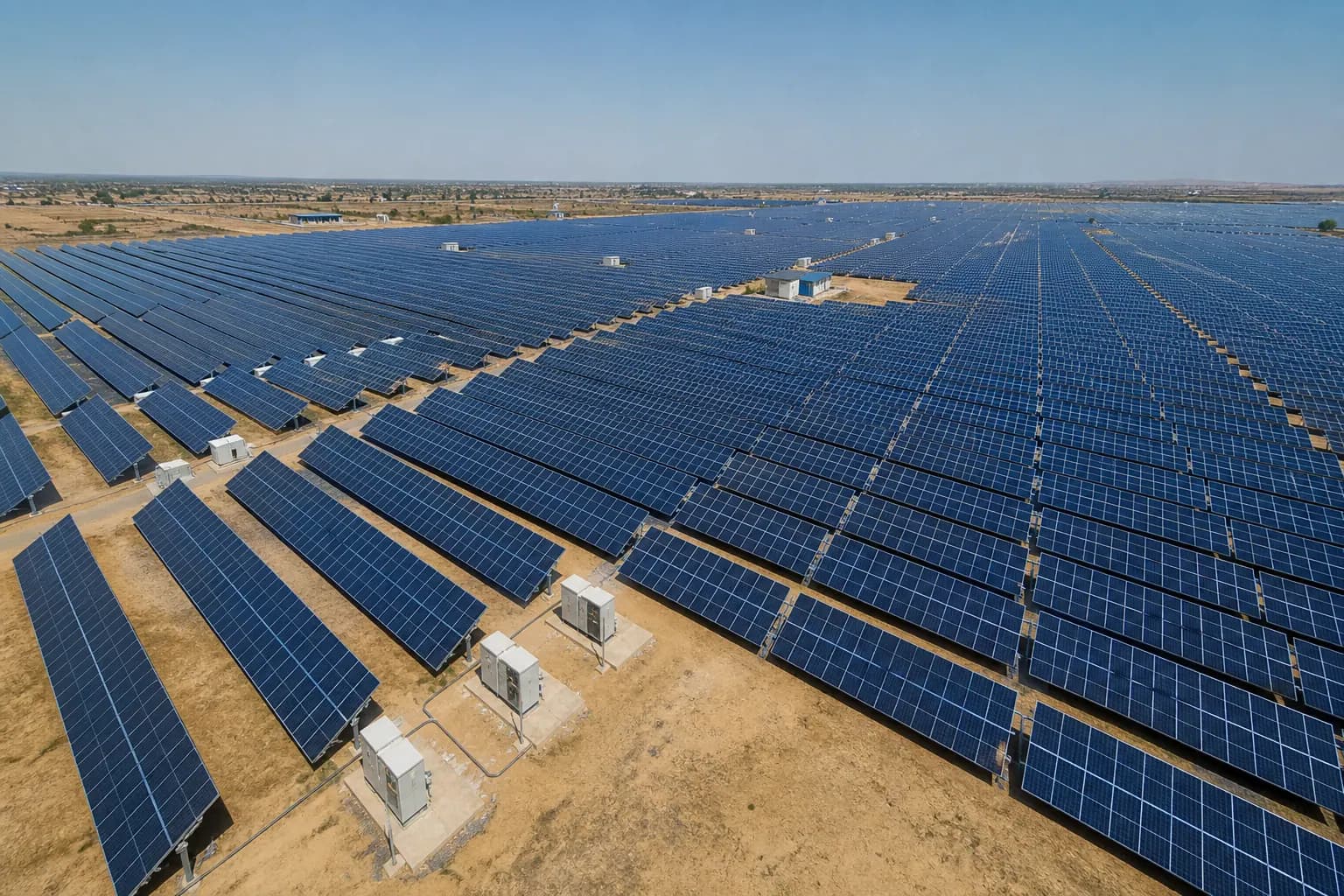
Net Metering Explained
What net metering means for grid-tied solar in Jaipur—export credits, interconnection milestones, and how it differs from subsidy.
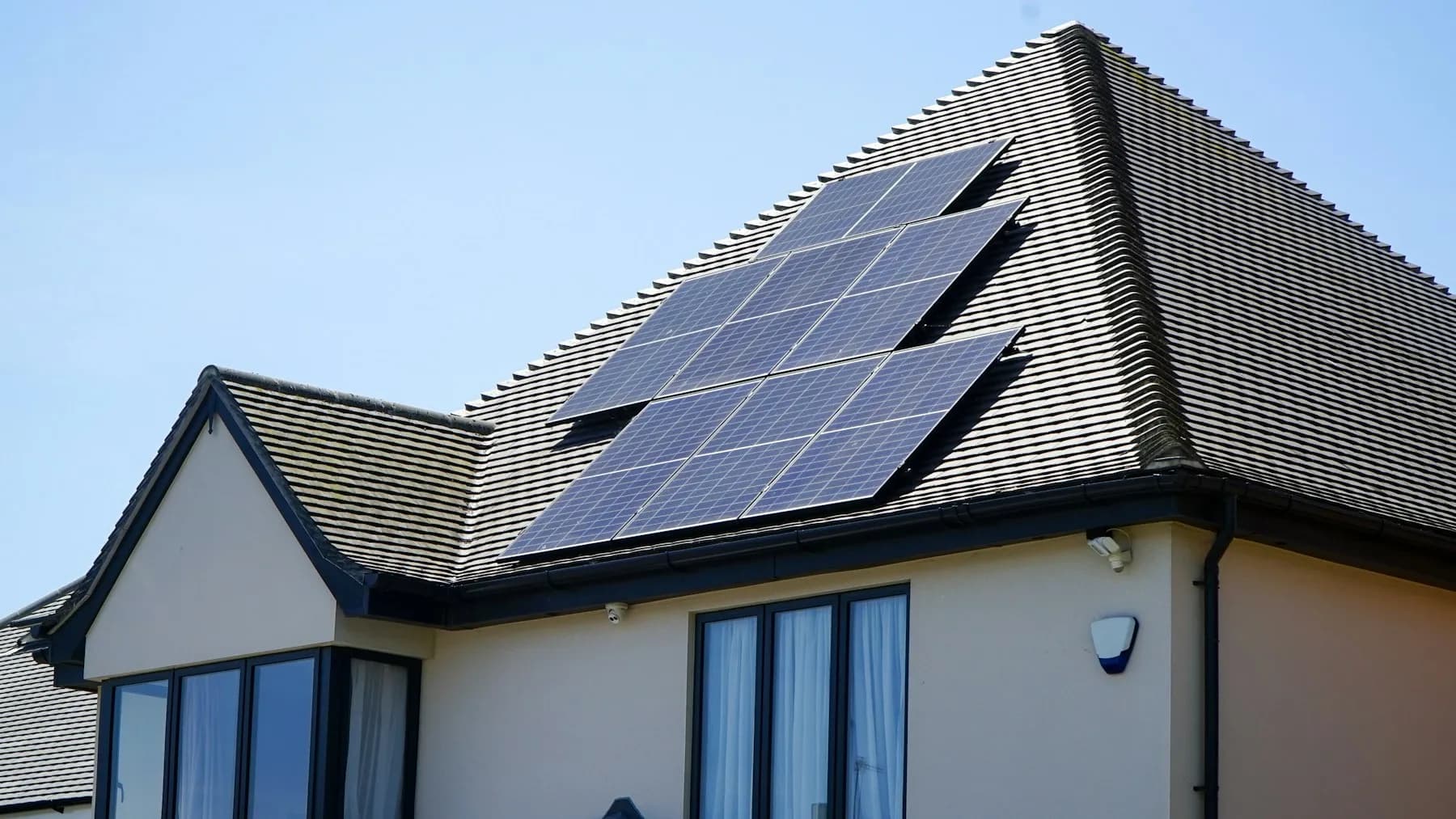
Is Rooftop Solar Worth It in Jaipur?
Whether rooftop solar makes sense for a Jaipur property depends on more than sunshine. Electricity use, usable roof area, shade and the property itself all matter.
How Much Electricity Can Solar Panels Generate in Jaipur?
How much electricity can solar panels generate in Jaipur? Learn what affects solar output, including system size, sunlight, shading, orientation and maintenance.