When people compare solar panels, they often focus on panel brand, technology and system size.
Those things matter, but the rooftop itself also plays an important role.
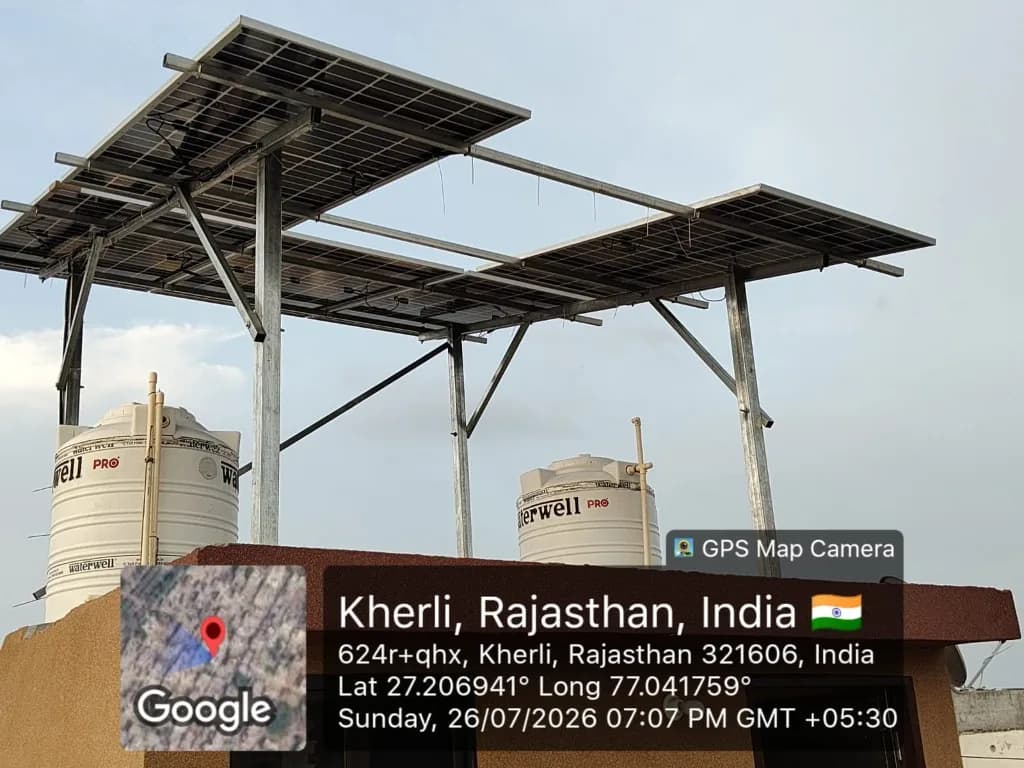
The direction panels face, their installation angle, surrounding shade and nearby structures can all influence how a rooftop solar layout is planned.
This is one reason SolarOnn recommends assessing the property before finalizing the proposed installation.
Why Panel Placement Matters
Solar panels produce electricity by receiving sunlight.
The way panels are positioned on the rooftop therefore needs to be considered as part of the installation design.
But panel placement cannot be decided in isolation.
The building, available rooftop area, shade, access and other site requirements also need to be considered.
A good rooftop plan brings those factors together.
What Does Solar Panel Direction Mean?
Direction refers to the orientation in which the panel array faces.
For rooftop projects, the practical orientation depends on the property and installation layout.
Instead of assuming that every rooftop should use exactly the same panel arrangement, the installer needs to understand how the available space can be used.
This becomes particularly important where rooftops have irregular layouts or existing structures.
What Is Solar Panel Tilt?
Tilt refers to the angle at which solar panels are installed relative to the surface below them.
The installation structure creates and supports that angle.
The appropriate project approach depends on system design and the individual site.
Property owners do not need to choose a tilt angle themselves before a survey.
It should be part of the technical planning for the installation.
Why Shade Matters
Shade can affect the amount of sunlight reaching solar panels.
On an urban rooftop, shade may come from:
- nearby buildings
- rooftop rooms
- water tanks
- walls
- trees
- other structures
Shade conditions can also differ across different areas of the same roof.
This is why the rooftop should be evaluated instead of treating the entire terrace as equally suitable.
Shade Is Not Only About Trees
When homeowners hear the word shade, trees are often the first thing that comes to mind.
In a city, buildings and rooftop structures can be equally relevant.
A neighbouring building may affect one section of the roof while another area remains more open.
Similarly, a water tank or rooftop room can influence nearby space.
Understanding these conditions helps with practical installation planning.
Should Panels Be Installed Wherever There Is Empty Space?
No.
An empty part of the rooftop may still need to be evaluated for shade, access and its relationship to the rest of the installation.
The proposed layout should consider the complete property rather than treat each empty section independently.
Learn more about rooftop solar in Jaipur.
Orientation vs Usable Roof Space
The ideal theoretical arrangement is not always identical to what a real rooftop allows.
Properties contain access routes, structures and existing requirements.
The installation approach therefore needs to balance technical planning with the practical conditions of the building.
That is one reason a site survey is useful.
Read about a solar site survey in Jaipur.
What About Elevated Solar Structures?
Elevated rooftop structures can create a different installation configuration from panels placed closer to the roof surface.
SolarOnn has completed elevated rooftop installations across Jaipur and Rajasthan.
Whether an elevated structure is appropriate depends on the site and project requirements.
It should be evaluated during project planning rather than assumed from the beginning.
Explore SolarOnn solar projects.
Residential and Commercial Rooftops Can Differ
Residential homes may prioritize household rooftop access and existing terrace use.
Commercial properties may have equipment, larger installation areas or different service-access requirements.
The installation layout should reflect these property differences.
Explore residential solar installation in Jaipur and commercial solar solutions in Jaipur.
Why the Site Survey Matters
Direction, tilt and shade are not isolated checklist items.
They are part of understanding the rooftop as a complete installation site.
SolarOnn evaluates the property before the proposed system layout is finalized.
That assessment helps ensure that practical rooftop conditions are considered during project planning.
Learn about solar panel installation in Jaipur.
Planning Solar for Your Jaipur Rooftop?
If you are considering rooftop solar, SolarOnn can assess your property and discuss the conditions that should be considered before installation planning.
Explore solar services across Jaipur.
FAQ
Article FAQs
Quick answers related to this solar guide.
Panel orientation is one of the factors considered during rooftop solar planning because the array needs to be positioned according to the installation design and site conditions.
Still have questions?
Contact Our Solar ExpertsOr browse the complete FAQ hub for detailed answers by topic.
Related articles
Continue exploring SolarOnn’s solar energy blog for Jaipur.
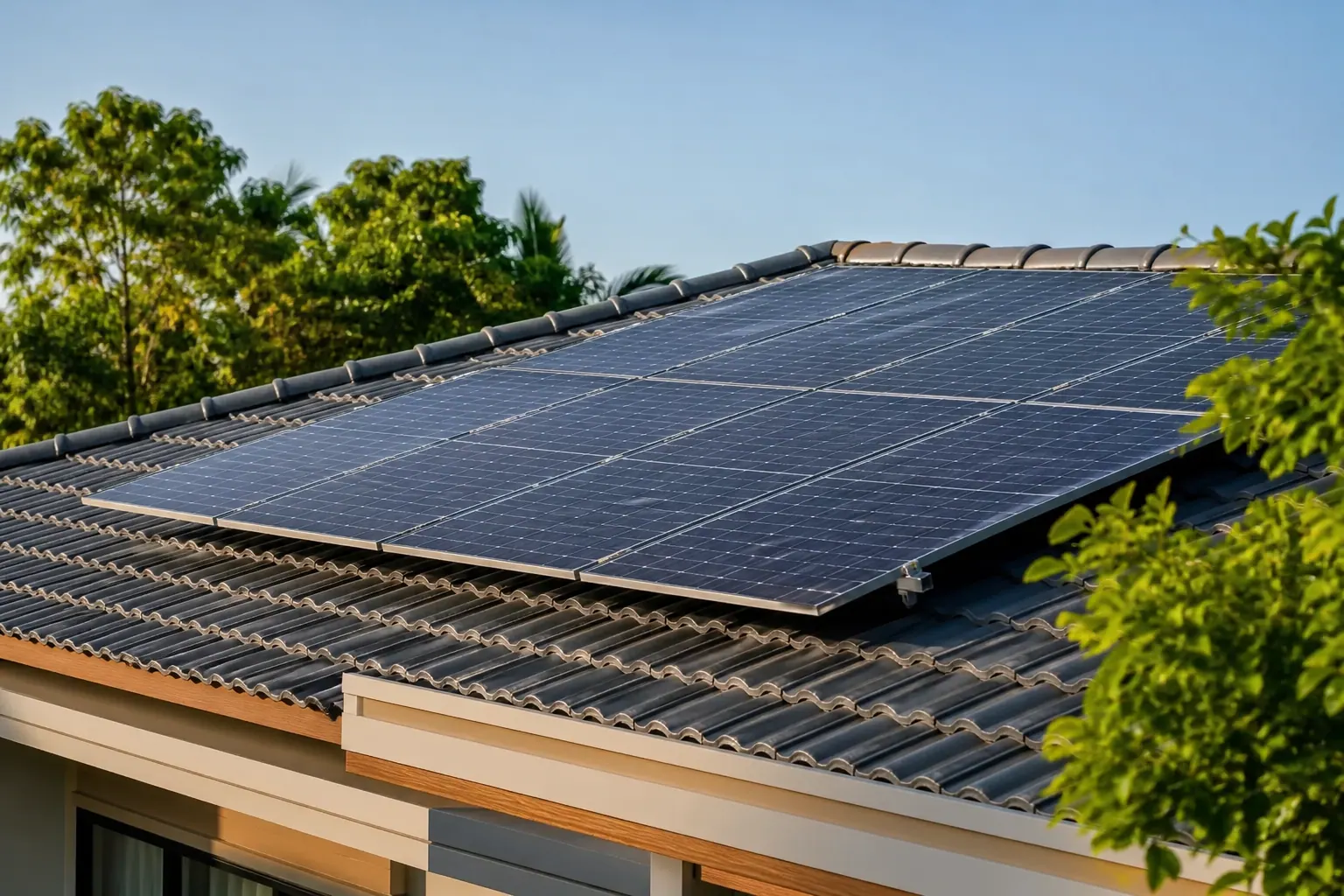
Solar Site Survey in Jaipur: What Happens Before Installation?
A solar site survey helps determine how rooftop solar can fit your property before system planning and installation begin.
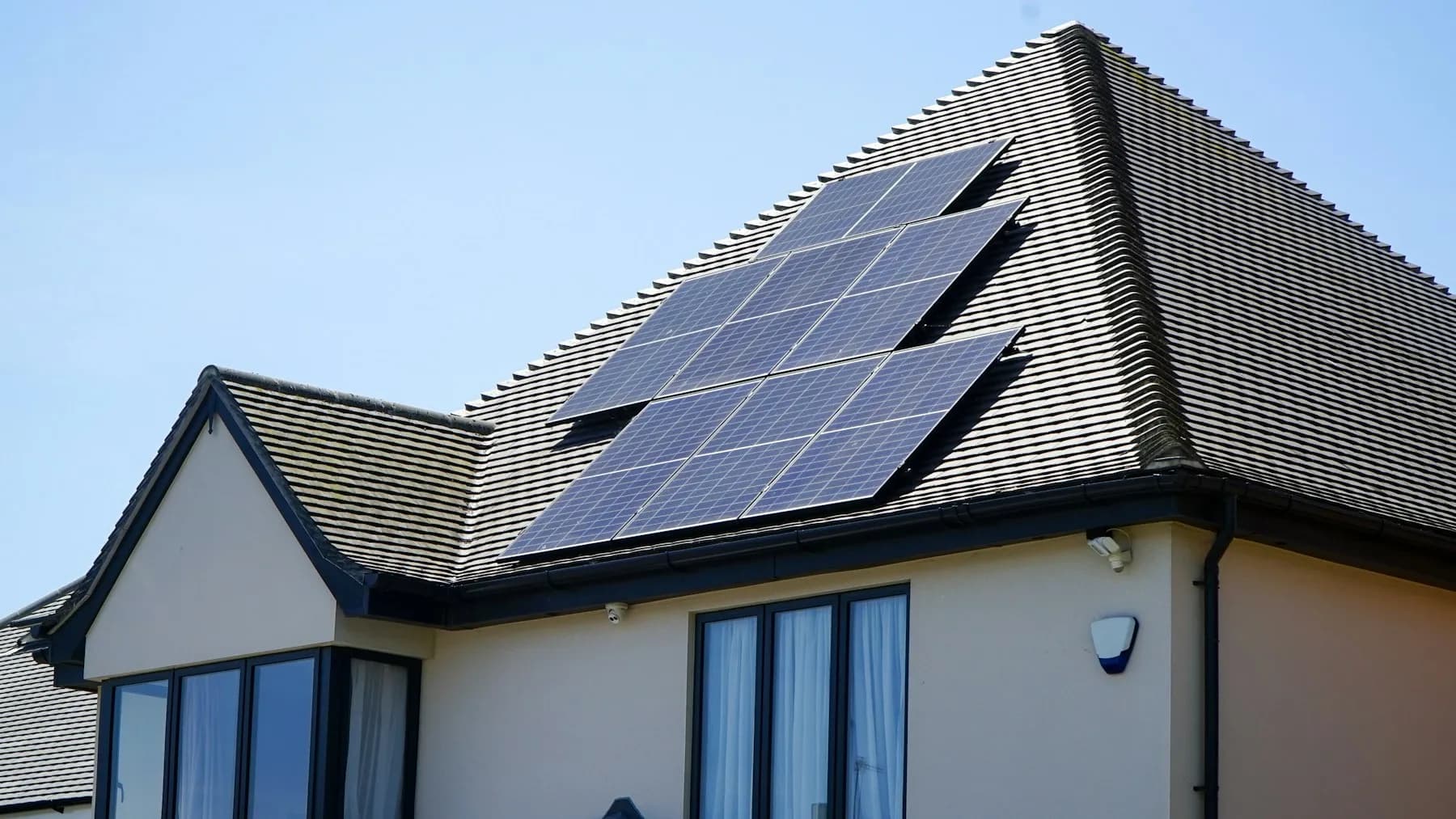
How Much Roof Space Do You Need for Solar Panels in Jaipur?
The roof area required for solar depends on more than system size. Usable space, shade, access and rooftop layout all matter.
How Much Electricity Can Solar Panels Generate in Jaipur?
How much electricity can solar panels generate in Jaipur? Learn what affects solar output, including system size, sunlight, shading, orientation and maintenance.