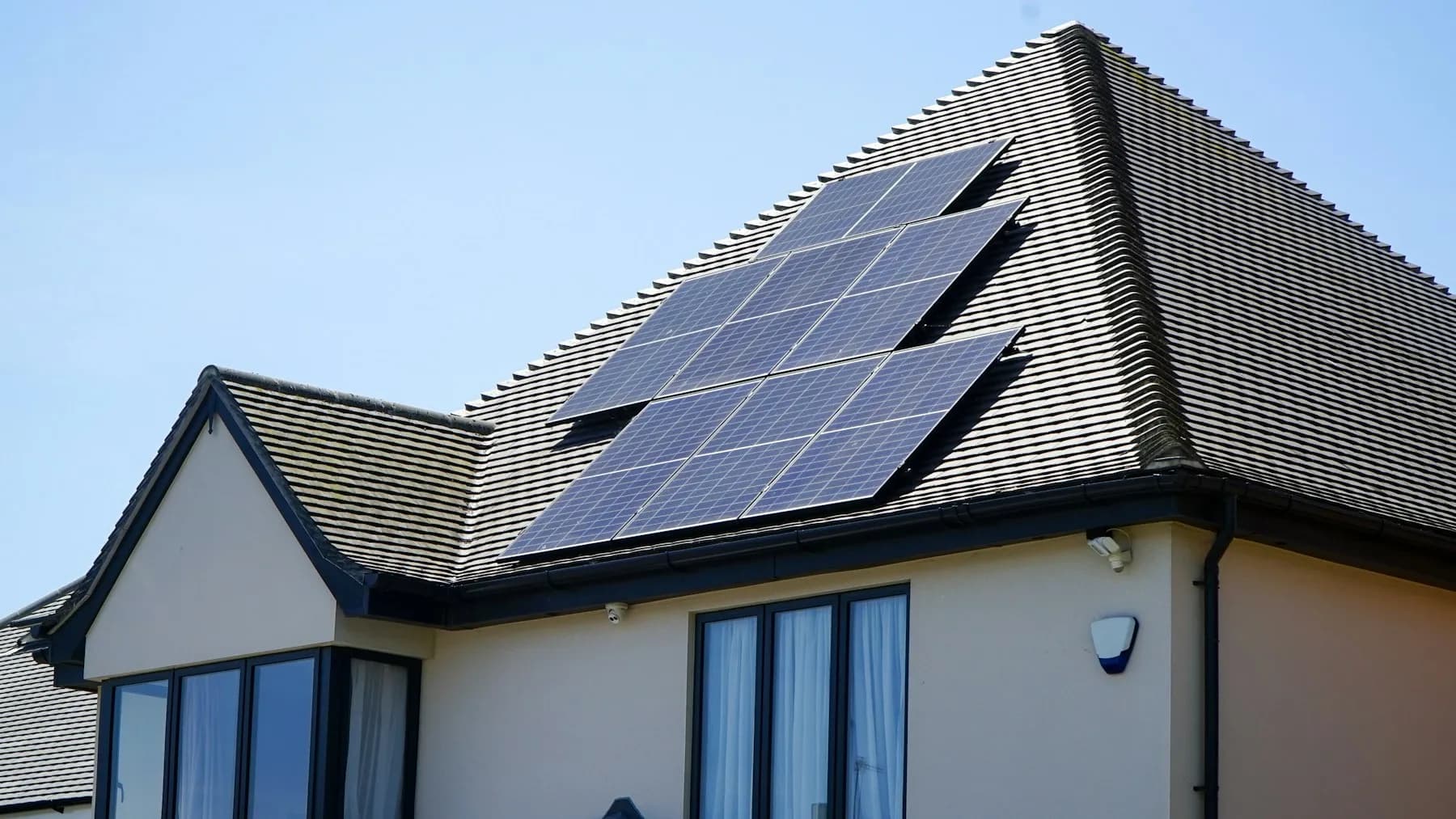
One of the first questions property owners ask is:
"How much rooftop space do I need for solar?"
There is no useful answer based only on the total dimensions of the terrace.
Two rooftops of the same size can offer very different usable installation areas.
Water tanks, staircases, rooftop rooms, surrounding shade, access paths and other property requirements can all influence how the space is planned.
That is why SolarOnn focuses on usable rooftop area rather than simply the total roof measurement.
Total Roof Space Is Not the Same as Usable Roof Space
Consider a terrace that measures a certain overall area.
Part of that space may contain water tanks.
Another section may be needed to access the staircase.
Some areas may be shaded or close to structures that influence practical panel placement.
The space remaining after those requirements are considered is much closer to the usable installation area.
This distinction is important when evaluating rooftop solar.
What Can Reduce the Usable Installation Area?
Several site conditions may influence how much of a rooftop can practically be considered.
These include:
- water tanks
- rooftop rooms
- staircases
- parapet or structural features
- shade from nearby objects or buildings
- equipment already installed on the roof
- areas required for access
- other household or commercial rooftop uses
These factors do not automatically mean the property is unsuitable for solar.
They simply need to be understood during project planning.
Why Access Space Matters
A solar installation becomes part of the property, but the rooftop may still need to remain accessible.
Water tanks may need maintenance.
Equipment may need servicing.
The homeowner may need access to different areas of the terrace.
For commercial properties, rooftop equipment can make continued access even more important.
Project planning should therefore consider where panels can be installed while retaining relevant access.
Learn more about rooftop solar in Jaipur.
Does a Bigger Rooftop Mean You Need a Bigger Solar System?
Not necessarily.
System planning should not be based only on how many panels can physically fit onto the roof.
Electricity requirements are also important.
A property may have enough area for a larger installation while its actual requirements point toward a different proposed solution.
The site and electricity usage need to be considered together.
What About Elevated Solar Structures?
Some rooftops use elevated structures as part of the installation approach.
SolarOnn's project portfolio includes examples of elevated rooftop solar structures completed across Jaipur and Rajasthan.
Whether an elevated approach is appropriate depends on the individual property and project requirements.
It should not be assumed purely because rooftop space appears limited.
Explore SolarOnn solar projects.
Roof Space for Residential Solar
For a home, usable terrace area should be considered alongside the way the family currently uses the rooftop.
Some areas may need to remain free for access or other household requirements.
A site assessment helps identify the rooftop conditions that need to be considered before a proposed installation layout is developed.
Explore residential solar installation in Jaipur.
Roof Space for Commercial Solar
Commercial rooftops can be larger, but they may also contain equipment, service areas and access requirements.
The building's electricity requirements and operating conditions also form part of the solar discussion.
That makes commercial solar planning a property-specific process rather than a simple calculation based on roof dimensions.
Explore commercial solar solutions in Jaipur.
How SolarOnn Assesses a Rooftop
SolarOnn begins by understanding the property and the customer's electricity requirements.
During assessment, the team considers the available installation area and relevant rooftop conditions.
Those observations can then inform the proposed project approach before installation begins.
Learn about solar panel installation in Jaipur.
Don't Buy a System Based Only on Roof Size
A rooftop measurement can be useful, but it should not be treated as the only input for selecting a proposed solar solution.
A better discussion considers:
- electricity requirements
- usable installation area
- rooftop layout
- shade
- access
- existing structures
- type of property
Together, these provide a more complete view of the project.
Need Help Understanding Your Rooftop?
If you are planning rooftop solar for a Jaipur property, SolarOnn can help you understand the practical site conditions before installation planning begins.
Learn more about SolarOnn's solar services in Jaipur.
FAQ
Article FAQs
Quick answers related to this solar guide.
A site assessment can help identify the practical installation area after relevant rooftop conditions and access requirements are considered.
Still have questions?
Contact Our Solar ExpertsOr browse the complete FAQ hub for detailed answers by topic.
Related articles
Continue exploring SolarOnn’s solar energy blog for Jaipur.
Solar Site Survey in Jaipur: What Happens Before Installation?
A solar site survey helps determine how rooftop solar can fit your property before system planning and installation begin.
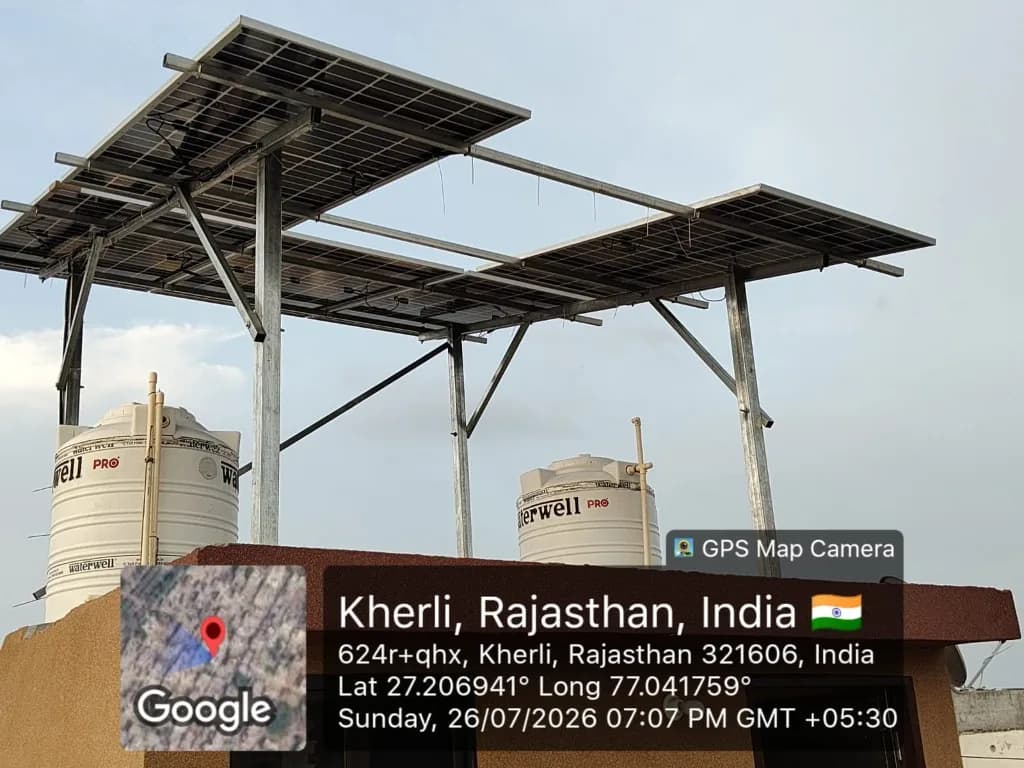
Solar Panel Direction, Tilt & Shading in Jaipur: What Matters?
Solar performance depends on more than buying good panels. Rooftop orientation, tilt, shade and site conditions all influence installation planning.
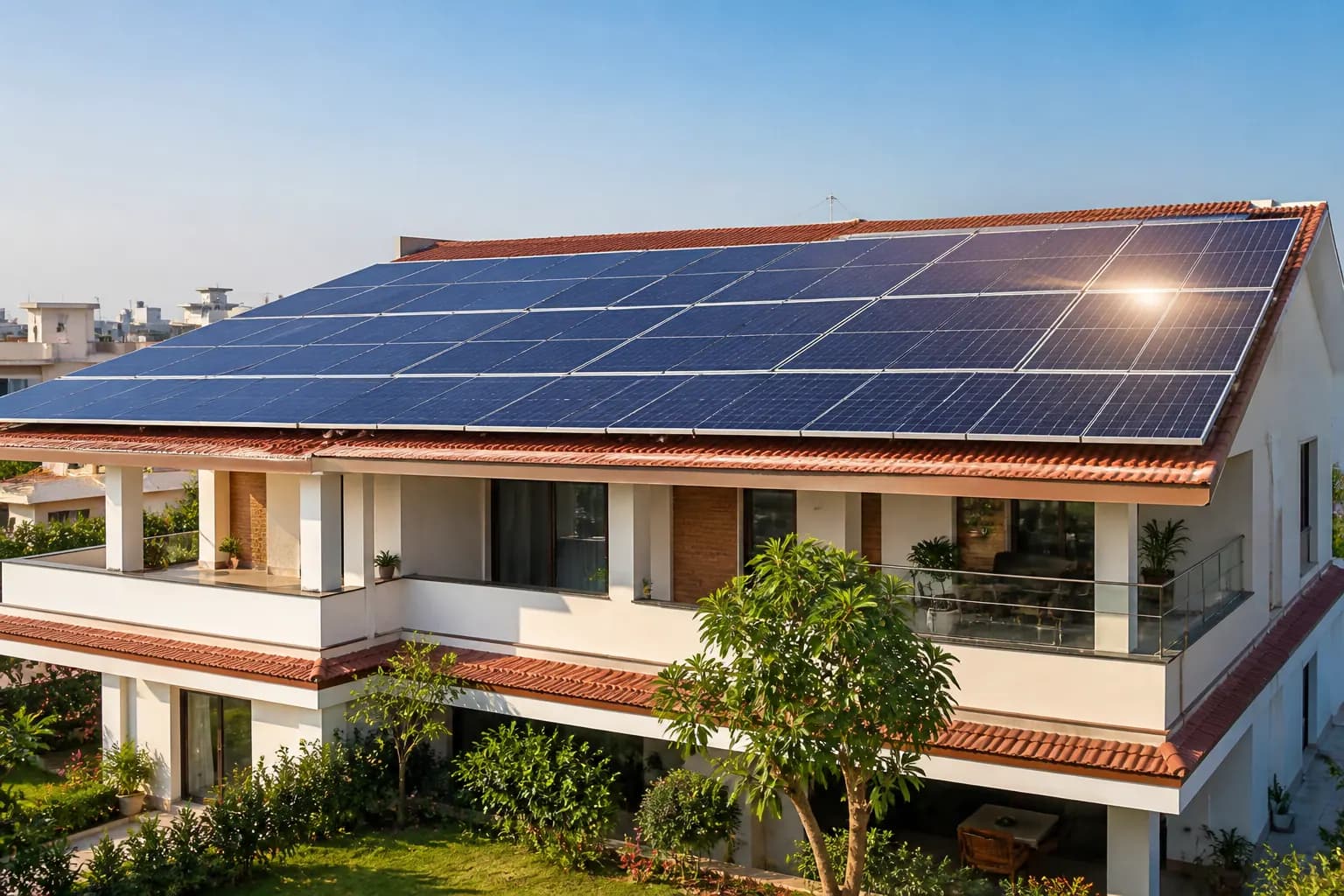
Solar Panels for Apartments in Jaipur: What Residents Should Know
Apartment solar can involve different considerations from an independent house, particularly around shared rooftop space and property-level requirements.