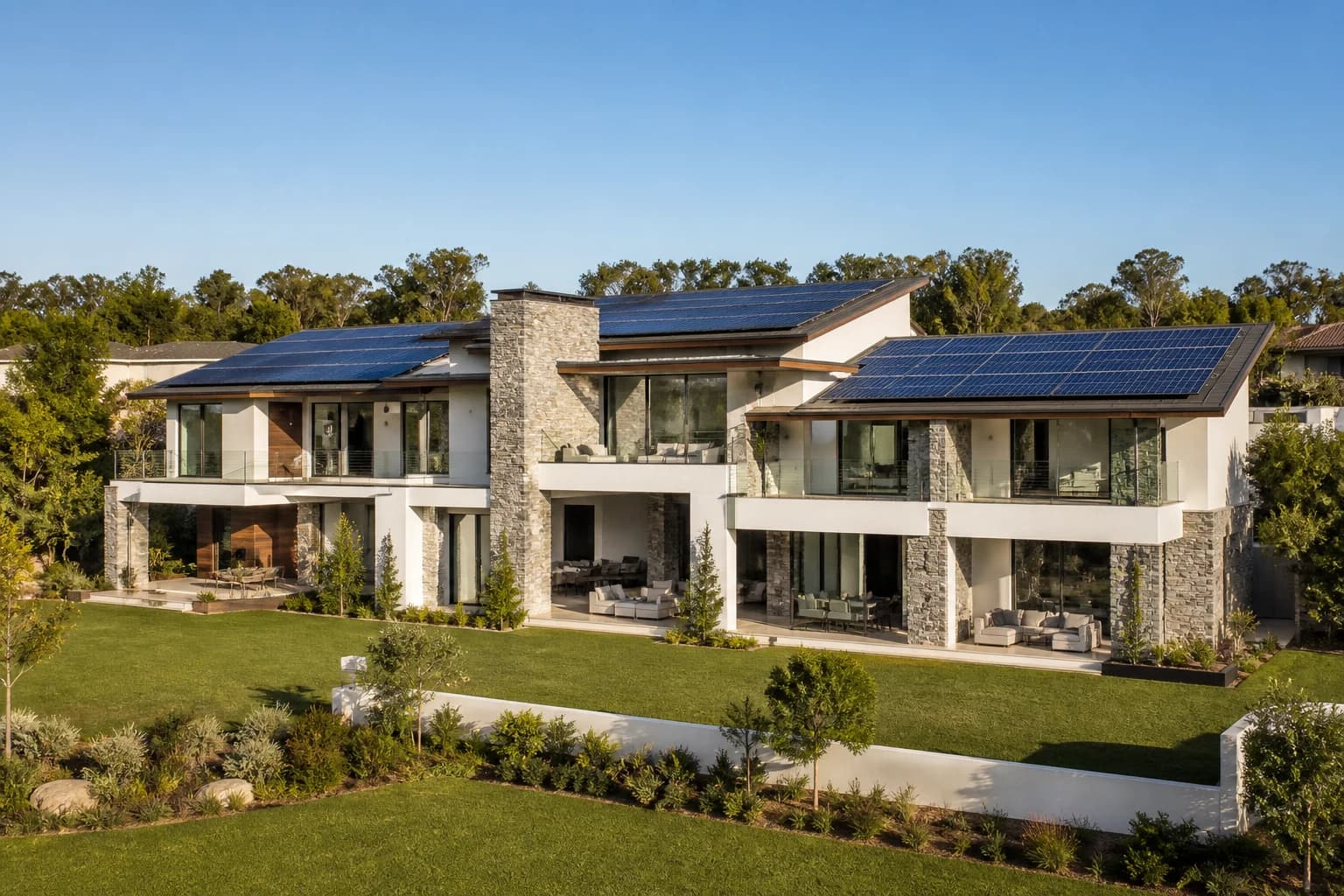
Jaipur's strong sunlight makes rooftop solar attractive, but the city's hot summers and dusty conditions also lead to an important buyer question: how long will the panels actually last?
Solar panels are designed as long-term outdoor equipment, but "lifespan" does not mean that a panel works at exactly the same output for years and then suddenly stops on a particular date.
Long-term solar performance is more nuanced.
Panels can experience gradual performance degradation over time, while real-world output is also influenced by temperature, dust, shading, maintenance, electrical components and installation quality.
Understanding these differences helps you evaluate solar as a long-term system rather than judging it only from the first year's generation.
What Does Solar Panel Lifespan Actually Mean?
When people ask how long a solar panel lasts, they may actually be asking several different questions.
They might mean:
- How long can the module remain operational?
- How long is the product warranty?
- How long is the performance warranty?
- Will output gradually decline?
- When would replacement become necessary?
These are not the same question.
A manufacturer's warranty is a contractual commitment subject to its terms. It should not automatically be interpreted as the exact physical lifespan of every panel.
Likewise, the end of a warranty period does not automatically mean that the equipment stops operating.
The specific product and performance warranty should always be checked for the panels selected for the project.
What Is Solar Panel Degradation?
Solar-panel degradation refers to gradual changes in a module's ability to produce electricity as it ages.
This does not mean that the panel suddenly becomes ineffective.
The actual long-term behaviour depends on the module technology, manufacturer, operating environment and other factors.
It is tempting to quote one universal annual degradation percentage, but different manufacturers and products can have different warranted performance characteristics.
For a buyer, the better approach is to check the technical documentation and warranty for the exact module being offered rather than relying on a generic internet number.
Do Solar Panels Stop Working After Their Warranty Ends?
Not necessarily.
A warranty period and an equipment expiry date are different concepts.
A panel can potentially continue operating beyond a warranty period, while a panel that is still within warranty can also require attention if it develops a covered problem.
The important questions are:
- What warranty does the selected manufacturer provide?
- What exactly is covered?
- What performance conditions apply?
- What exclusions apply?
- Who handles warranty support?
- What documentation will you receive?
These questions are more useful than assuming a solar panel becomes unusable on the final day of its warranty.
How Jaipur Heat Can Affect Solar Panels
Solar panels need sunlight to generate electricity, but sunlight and module temperature should not be treated as the same thing.
A bright sunny day provides strong solar irradiance, while high module temperatures can influence instantaneous electrical performance.
That means the assumption "hotter always means more electricity" is incorrect.
Jaipur's summers make system design, equipment selection, installation and realistic performance expectations important.
Seasonal output should be evaluated over time rather than from one extremely hot afternoon.
For more detail, read our guide to solar panel performance during Jaipur summers.
How Dust Affects Solar Performance
Dust is a practical rooftop issue in Jaipur.
When dust and other soiling accumulate on the panel surface, less sunlight may reach the solar cells effectively.
But this is important:
Soiling is not the same thing as permanent solar-panel degradation.
A dusty panel may show reduced output because its surface needs appropriate cleaning. That does not necessarily mean the module itself has permanently deteriorated.
Regular observation and suitable cleaning therefore form part of rooftop-solar care.
Our guide to solar panel cleaning in Jaipur explains the practical considerations.
What About the Monsoon?
Solar modules and associated outdoor equipment are intended for outdoor installation when suitable products are selected and installed correctly.
However, long-term system reliability depends on more than the front surface of the panel.
Installation details such as:
- cable routing;
- connectors;
- junctions;
- mounting;
- drainage;
- equipment placement; and
- electrical protection
also matter.
After severe weather or when a fault appears, the system should be inspected appropriately rather than assuming every issue is simply caused by the panels.
Panel Quality Matters
Not all purchasing decisions should be based on the lowest price per panel.
When evaluating modules, useful considerations include:
- manufacturer;
- technical specifications;
- product documentation;
- product warranty;
- performance warranty;
- applicable certifications;
- installer support; and
- suitability for the proposed system.
Marketing labels should not replace technical evaluation.
If you are comparing module options, read our guide to choosing solar panels.
Installation Quality Also Affects Long-Term Performance
Good panels cannot compensate for every installation problem.
Long-term system performance also depends on how the overall project is designed and installed.
Important areas include:
- mounting;
- module layout;
- shading;
- cable routing;
- connectors;
- earthing and protection;
- inverter installation;
- equipment placement;
- testing; and
- commissioning.
This is why comparing solar quotations only by panel wattage can miss important differences between projects.
The quality of the complete system matters.
Mounting Structure and Long-Term Performance
The modules spend years exposed to outdoor conditions, so their supporting structure is part of the long-term installation.
The mounting approach should be selected for the roof and project rather than treated as a generic accessory.
It should also allow the overall array to be installed with suitable consideration for layout, access and maintenance.
Our guide to solar mounting structures in Jaipur explains this in detail.
Maintenance and Degradation Are Not the Same
This distinction can prevent unnecessary concern.
Imagine generation appears lower because the panels have accumulated substantial surface dust.
Cleaning may restore much of the output that was temporarily affected by soiling.
That is a maintenance issue.
Natural long-term performance change in the module is a different phenomenon.
Other temporary or correctable issues can include new shading, equipment faults or electrical problems.
Therefore, a drop in generation should be investigated before concluding that the panels have permanently degraded.
For ongoing system care, see our solar panel maintenance guide.
Warning Signs That a Solar System Should Be Checked
Consider professional inspection when you notice issues such as:
- an unexpected and sustained drop in generation;
- repeated inverter alerts;
- visible module damage;
- damaged or visibly loose wiring;
- repeated electrical tripping;
- mounting or structural concerns; or
- monitoring data that changes significantly without an obvious reason.
Do not open electrical equipment or attempt unsafe rooftop electrical repairs yourself.
Solar systems contain electrical equipment that should be inspected and serviced by appropriately competent personnel.
How to Protect Long-Term Solar Performance
Good long-term performance begins before installation.
Important practices include:
- selecting suitable equipment;
- designing the system for the property;
- using an appropriate mounting arrangement;
- avoiding unnecessary shading where possible;
- installing electrical components correctly;
- monitoring system performance;
- cleaning panels appropriately when needed;
- investigating faults promptly; and
- keeping project and warranty documentation.
Maintenance does not prevent natural equipment ageing, but it helps avoid losing performance because of preventable issues.
Warranty vs Expected Working Life
Three ideas should remain separate.
Product Warranty
This relates to product defects according to the manufacturer's warranty terms.
Performance Warranty
This relates to defined performance commitments provided by the manufacturer according to the applicable warranty documentation.
Actual Working Life
This refers to how long the equipment remains useful in the real installation.
These periods are not automatically identical.
When SolarOnn prepares a project using panels with a manufacturer performance warranty, the exact warranty applicable to the selected module should be stated in the project documentation.
Do not rely solely on a generic "long warranty" statement when comparing proposals. Ask what is covered and by whom.
Planning Solar as a Long-Term Investment
Rooftop solar should be evaluated as a complete system.
The lowest initial quotation is not necessarily the only factor that matters over many years.
Consider:
- panel quality;
- inverter selection;
- mounting;
- electrical design;
- installation workmanship;
- roof conditions;
- warranty support;
- monitoring;
- maintenance access; and
- after-sales support.
For homeowners considering the broader decision, read is rooftop solar worth it in Jaipur?.
You can also explore SolarOnn's residential solar installation in Jaipur and rooftop solar solutions.
Planning a Rooftop Solar System for the Long Term?
SolarOnn can assess your rooftop, electricity usage and project requirements before recommending suitable components and system design.
FAQ
Article FAQs
Quick answers related to this solar guide.
Solar panels are designed as long-term outdoor equipment, but there is no single lifespan that should be promised for every module. Product quality, manufacturer specifications, installation, environment and operating conditions all matter. Check the documentation and warranty for the exact panel being proposed.
Still have questions?
Contact Our Solar ExpertsOr browse the complete FAQ hub for detailed answers by topic.
Related articles
Continue exploring SolarOnn’s solar energy blog for Jaipur.
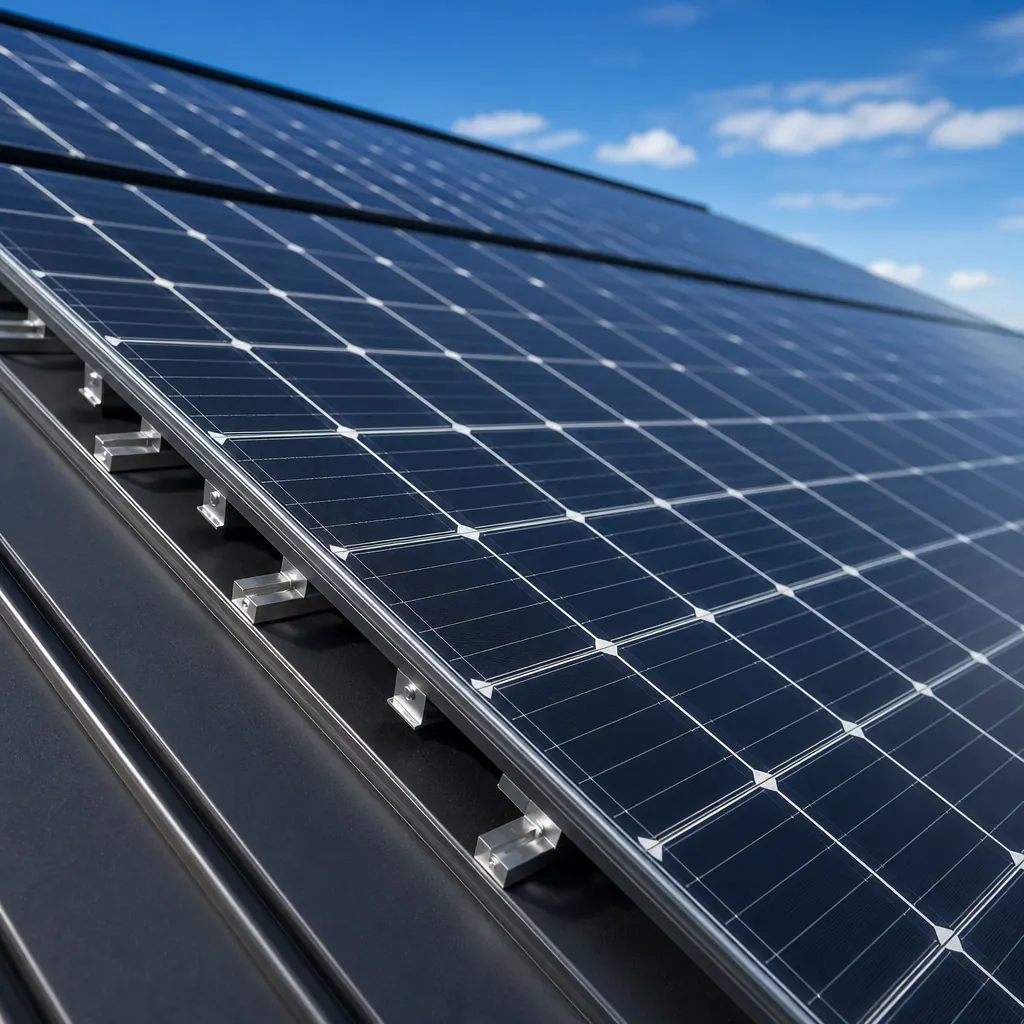
Solar Panels in Jaipur Summer: What Property Owners Should Know
Jaipur summers bring strong heat and dry conditions. Here's how property owners can think about rooftop planning, dust, access and ongoing solar care.
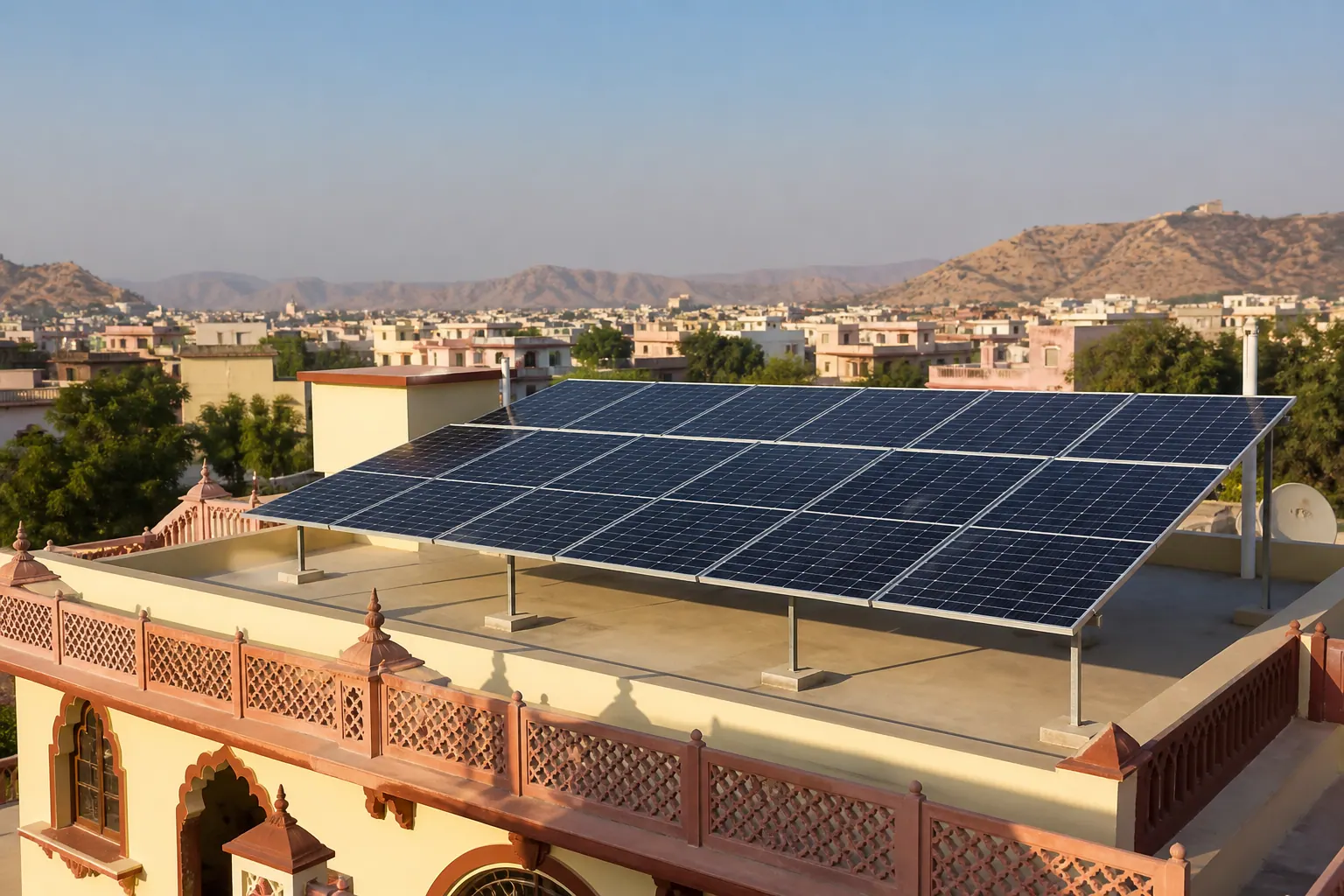
Solar Panel Cleaning in Jaipur: Dust & Safe Cleaning Guide
Solar panels operate outdoors, so Jaipur property owners should understand practical cleaning, rooftop safety and when to ask for assistance.
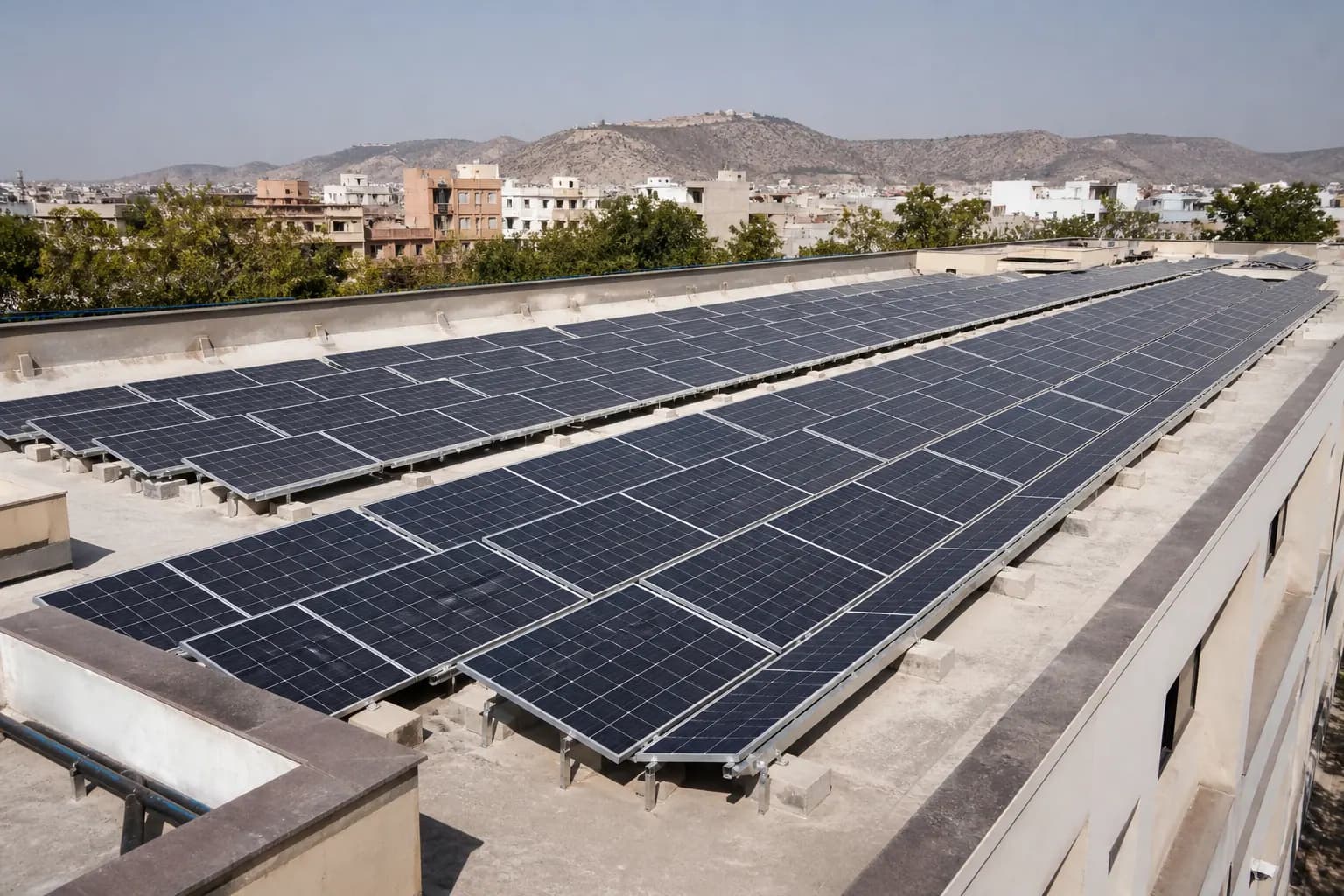
Solar Panel Maintenance in Jaipur: System Checks & Ongoing Care
Dust, monitoring, and safe cleaning—a practical solar panel maintenance guide for Jaipur and Rajasthan rooftops.