When comparing rooftop solar quotations, most buyers immediately look at the panel brand, inverter and system capacity.
The mounting structure deserves attention too.
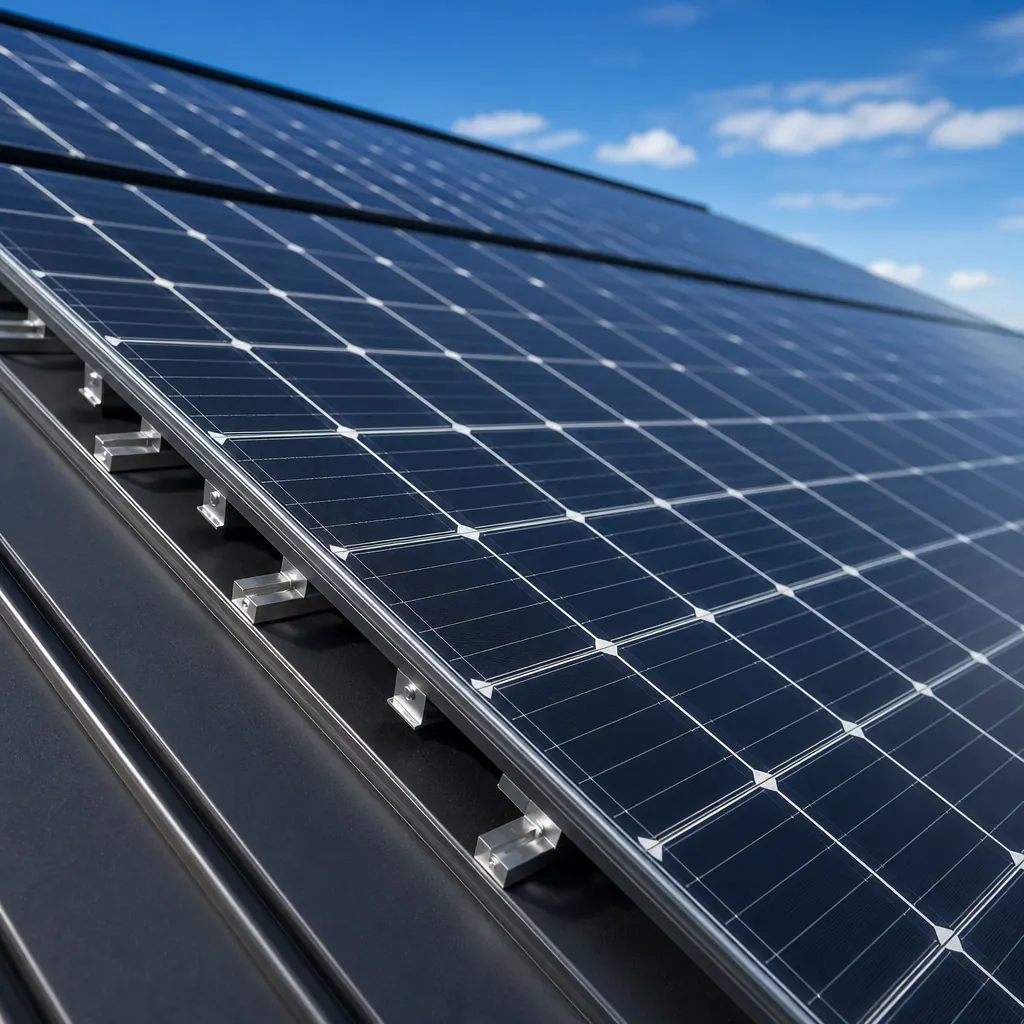
It is the physical framework that supports the solar modules and connects the array to the building or supporting structure. Its design influences panel layout, orientation, rooftop access and how the installation interacts with the existing roof.
There is no single mounting design that is best for every Jaipur property. A flat residential terrace, an industrial roof and a sloping roof can require very different approaches.
The right solution begins with the roof itself.
What Is a Solar Mounting Structure?
A solar mounting structure is the framework used to support and position photovoltaic modules.
Depending on the project, it may be installed on a flat roof, sloping roof, industrial rooftop or an elevated framework.
The structure helps maintain the intended panel position while transferring loads through the designed support and attachment system.
A mounting system therefore needs to be considered as part of the solar installation—not as an afterthought once the panels have been selected.
Why Mounting Structure Design Matters
A rooftop may look like a large empty area from the ground, but several details can influence solar layout.
These include:
- roof type;
- roof condition;
- usable area;
- water tanks;
- parapet walls;
- staircases;
- neighbouring buildings;
- shading;
- drainage paths;
- maintenance access; and
- structural considerations.
The mounting arrangement needs to work around these conditions while providing an appropriate layout for the solar modules.
This is one reason a solar site survey in Jaipur is useful before finalising a rooftop system.
Common Rooftop Mounting Approaches
Different roofs call for different solutions.
Standard or Low-Rise Rooftop Mounting
On suitable flat rooftops, solar modules can be installed on a mounting arrangement that positions them above the roof surface according to the project's layout and design.
This approach can work where the rooftop has sufficient usable space and there are no requirements for substantial clearance below the array.
The actual structure and attachment method should depend on the roof and project design.
Elevated Solar Structures
An elevated structure raises the solar array higher above the rooftop.
This may be considered when the owner wants to preserve more usable space below the panels, clear certain rooftop obstructions or create a different panel layout.
For some properties, an elevated structure can make the terrace more practical while accommodating rooftop solar.
However, elevated does not automatically mean better.
Additional height changes structural and engineering considerations. The roof, supporting structure, exposure, access, project cost and site conditions all need to be assessed.
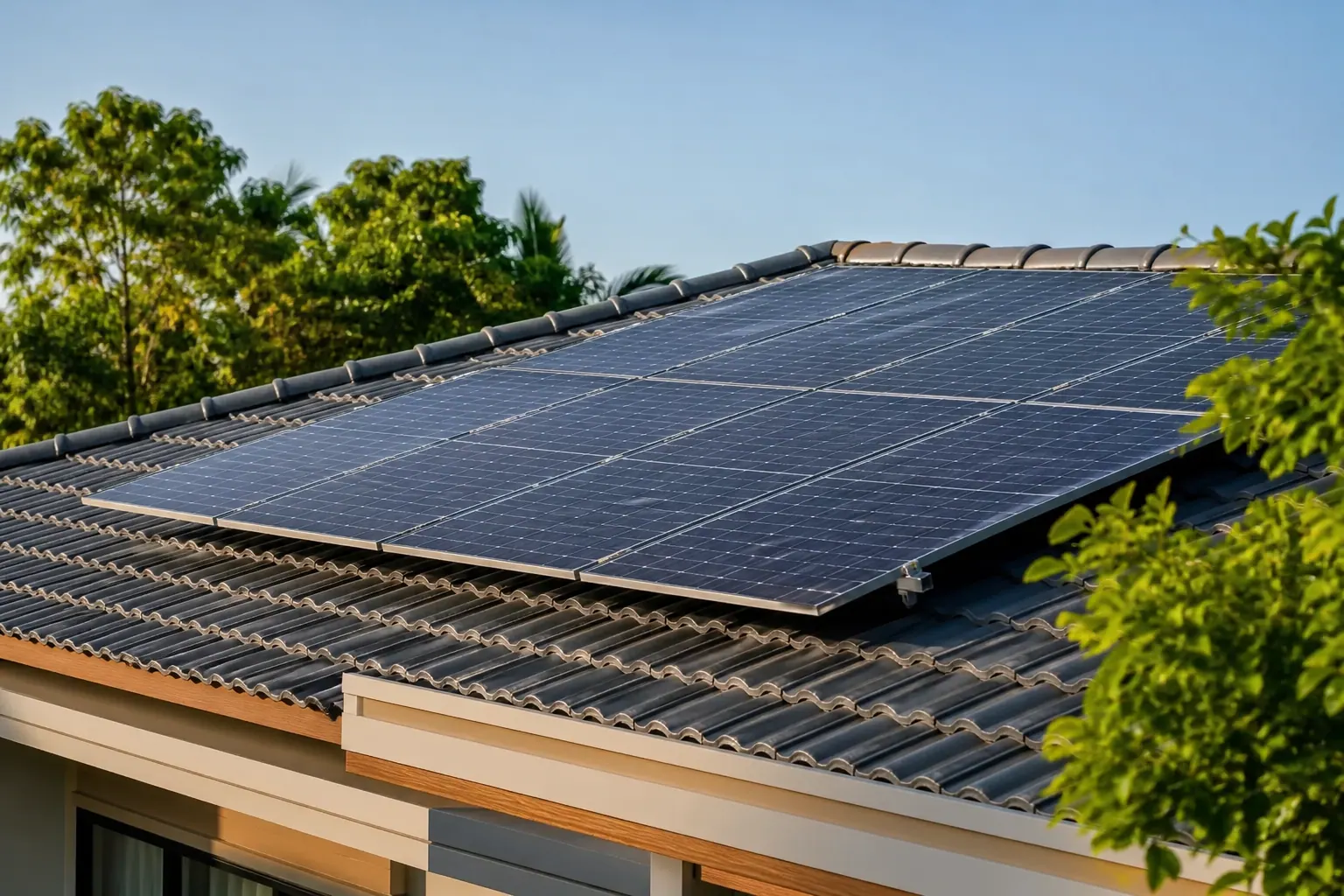
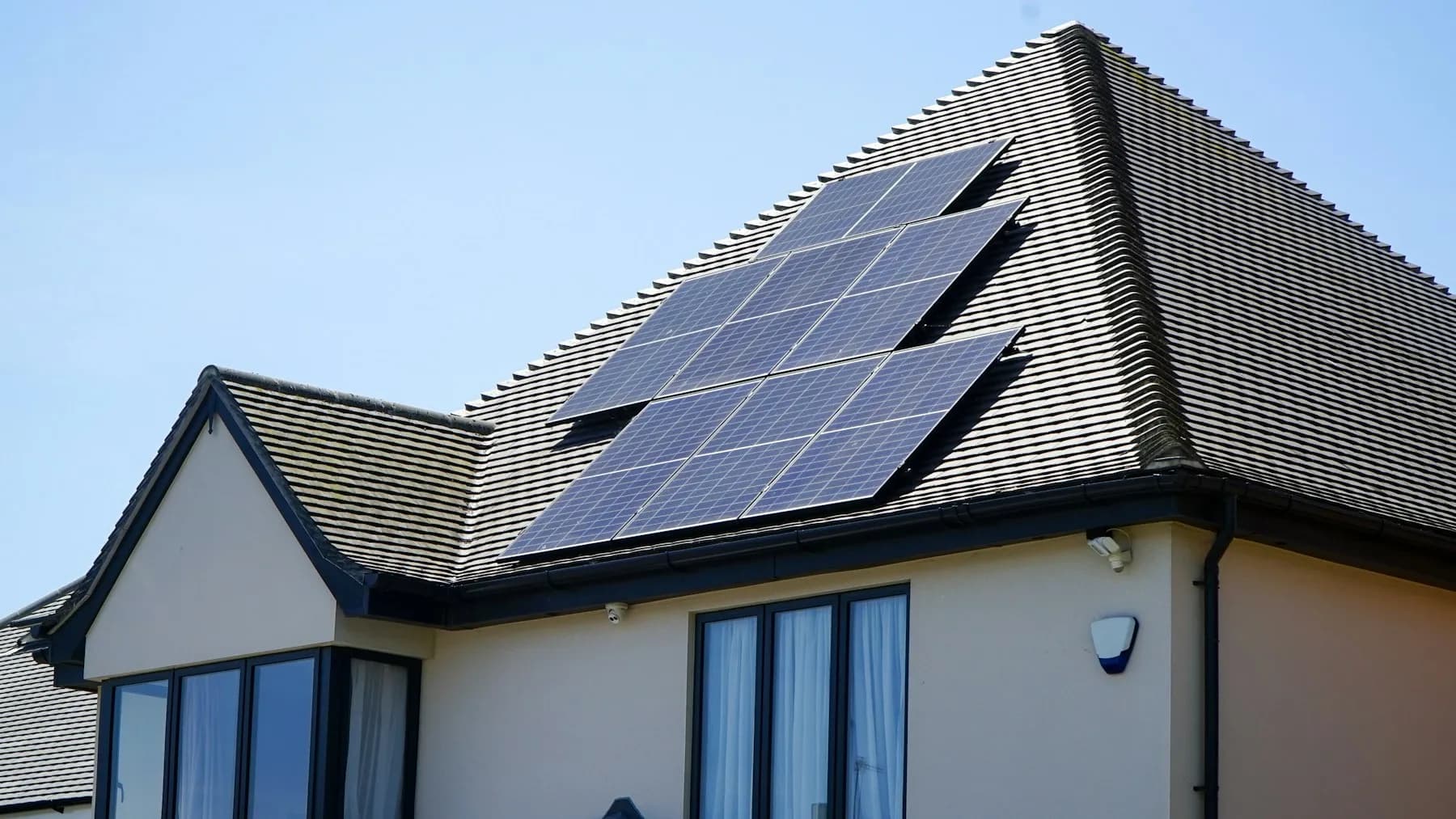
Mounting on Sloping Roofs
Solar can also be installed on suitable sloping roofs.
The correct attachment approach depends on the roof material, construction, condition and solar layout.
A sloping roof should therefore be assessed specifically rather than treated like a concrete terrace.
Should You Choose an Elevated Solar Structure?
The answer depends on what you want from the rooftop.
An elevated structure may be worth considering when:
- you want to retain usable terrace space;
- existing obstructions affect a lower layout;
- additional clearance can improve the practical arrangement;
- access below or around the panels is important; or
- the site design supports an elevated configuration.
At the same time, the design must consider:
- structural suitability;
- additional material and project cost;
- access;
- exposure;
- attachment or support design;
- roof capacity; and
- engineering requirements.
The decision should come from the site assessment rather than from appearance alone.
Solar Structures and Jaipur's Weather
A rooftop solar installation in Jaipur experiences demanding outdoor conditions.
Strong sunlight, high summer temperatures, dust, seasonal winds and monsoon rain all reinforce the need for thoughtful installation.
The objective is not to make unsupported claims that one generic structure is "Jaipur-proof."
Instead, the structure, attachment, drainage, equipment layout and maintenance access should be appropriate for the actual site.
Dust is particularly relevant because panels need to remain reasonably accessible for appropriate cleaning.
You can read our practical guide to solar panel cleaning in Jaipur.
Mounting Structure and Panel Direction
The mounting structure also helps establish how modules are positioned on the rooftop.
Panel direction and tilt can affect how sunlight reaches the array, but there is no reason to prescribe one universal angle for every Jaipur roof without assessing the property.
The ideal layout can be influenced by:
- roof orientation;
- available area;
- surrounding shade;
- parapet walls;
- water tanks;
- neighbouring structures; and
- array configuration.
Our guide to solar panel direction, tilt and shading explains these factors in more detail.
Will Solar Installation Damage the Roof?
A properly planned installation should account for the existing roof, attachment method, drainage and waterproofing considerations relevant to the project.
However, no responsible installer should simply promise that every roof can be treated in exactly the same way.
Before installation, the site assessment should identify:
- roof construction;
- visible condition;
- existing waterproofing concerns;
- drainage;
- attachment requirements;
- access; and
- structural considerations.
If the roof already has visible deterioration or leakage concerns, these should be addressed during planning rather than ignored.
Can You Use the Space Below Elevated Solar Panels?
Potentially, depending on the structure and project.
One reason some property owners consider elevated rooftop solar is the possibility of retaining more usable terrace space below the array.
However, actual usability depends on:
- structure height;
- column/support layout;
- safety;
- access;
- electrical routing;
- roof configuration; and
- the intended use of the area.
An elevated solar structure should not automatically be treated as an additional habitable floor or room. Any intended use must be considered in the context of the building and applicable requirements.
Roof Space Still Matters
An elevated structure does not make rooftop-area planning irrelevant.
The system still needs a suitable module layout with consideration for shading, spacing, obstructions and access.
If you are trying to understand whether your terrace has enough usable area, see our guide to solar roof-space requirements in Jaipur.
The usable solar area can be different from the property's total roof area because water tanks, staircases, shade and other obstructions may reduce the practical installation space.
What Should Be Checked During a Solar Site Survey?
Before deciding the mounting approach, a rooftop survey should consider:
- roof type and condition;
- usable dimensions;
- shading;
- parapet walls;
- water tanks;
- staircases;
- neighbouring structures;
- drainage;
- access;
- potential module orientation;
- possible structural arrangement; and
- electrical routing.
These observations help connect the solar-system design with the actual building.
Questions to Ask About the Mounting Structure in Your Solar Quote
When reviewing a proposal, ask:
- What type of mounting approach is proposed?
- Why is it suitable for my roof?
- Will the structure be elevated?
- How will the structure interact with the existing roof?
- How will maintenance access be maintained?
- How are drainage and existing rooftop obstructions being considered?
- What material and corrosion-protection specification is proposed?
- How will panels be arranged to manage shading?
- Who is responsible for the structural design and installation?
- Are any roof repairs recommended before installation?
These questions can reveal whether the mounting system has actually been planned for the property or simply copied from a standard package.
Installation Quality Goes Beyond the Structure
The mounting structure is only one part of a rooftop installation.
A complete installation also involves module placement, DC and AC electrical work, cable routing, inverter installation, protection equipment, testing and commissioning.
Our guide to what happens on solar installation day explains the wider installation process.
You can also explore SolarOnn's solar panel installation service in Jaipur.
How SolarOnn Plans Rooftop Mounting
SolarOnn begins with the property rather than assuming one mounting design will suit every project.
The rooftop assessment can consider available space, shade, roof conditions, obstructions, access and the intended solar-system layout.
The mounting approach can then be planned as part of the overall rooftop solar design.
For broader rooftop planning, visit our rooftop solar solutions.
Planning Solar for Your Rooftop?
A site assessment can help determine the appropriate module layout and mounting approach for your property.
FAQ
Article FAQs
Quick answers related to this solar guide.
Solar panels are supported by a mounting structure designed for the project's roof and array configuration. The exact structure and attachment method depend on the site.
Still have questions?
Contact Our Solar ExpertsOr browse the complete FAQ hub for detailed answers by topic.
Related articles
Continue exploring SolarOnn’s solar energy blog for Jaipur.
Solar Site Survey in Jaipur: What Happens Before Installation?
A solar site survey helps determine how rooftop solar can fit your property before system planning and installation begin.
What Happens on Solar Installation Day?
Understand the main stages that take a planned rooftop solar project from the property assessment to physical installation and handover.
How Much Roof Space Do You Need for Solar Panels in Jaipur?
The roof area required for solar depends on more than system size. Usable space, shade, access and rooftop layout all matter.