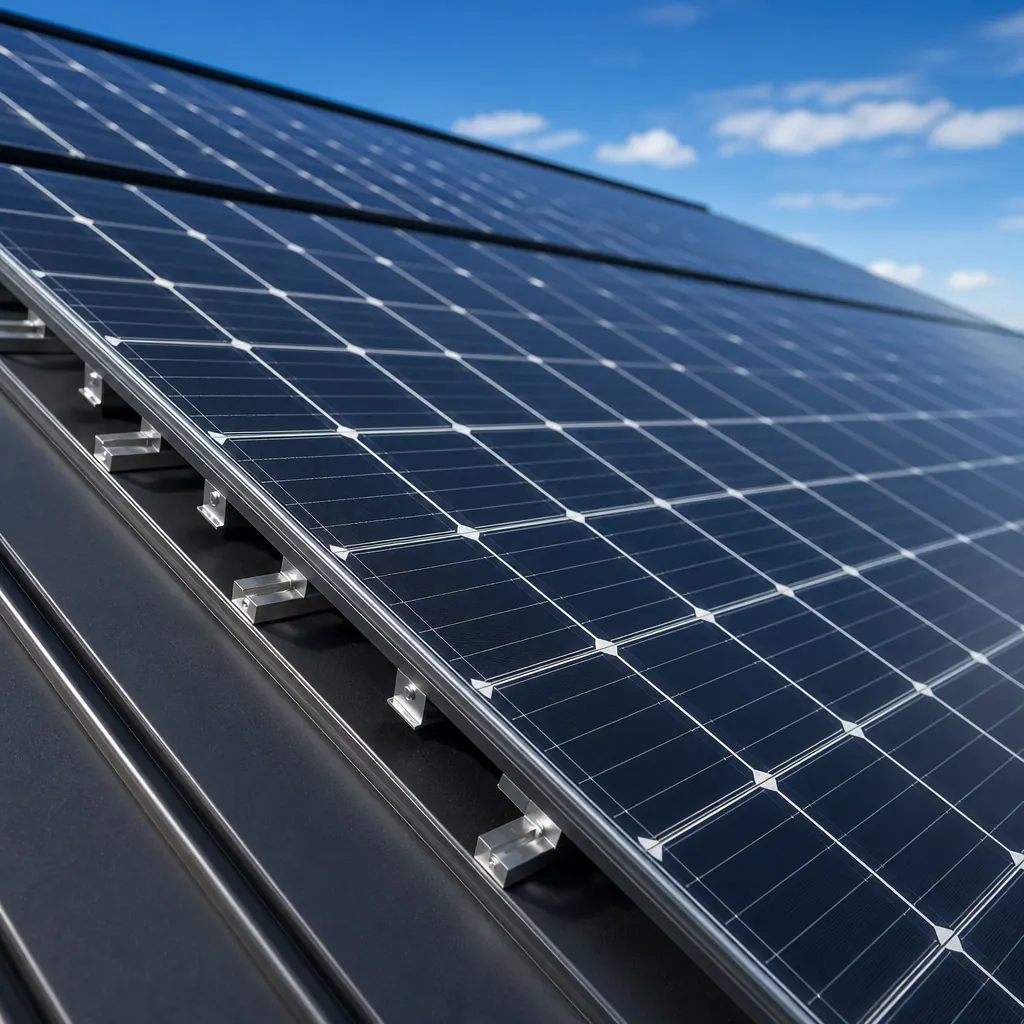
When homeowners start planning rooftop solar, one of the first questions they often ask is:
"How many solar panels do I need?"
The answer is not a fixed number.
The number of solar panels required for a home depends mainly on the solar system capacity being designed and the wattage of the individual solar modules being used.
Rooftop space, shading and the proposed panel layout also affect how many panels can practically be installed.
For a Jaipur homeowner, it is therefore useful to understand the difference between solar system capacity and the physical number of panels on the roof.
Solar System Capacity and Number of Panels Are Different
A solar system is commonly described according to its total capacity in kilowatts, or kW.
An individual solar panel, however, has its own rated power in watts.
Therefore, saying that a home requires a 3kW or 5kW solar system does not by itself tell you the exact number of physical panels that will be installed.
The panel count depends on the wattage of the modules selected for the project.
How Is the Number of Solar Panels Calculated?
A simple way to understand the relationship is:
Approximate Number of Panels = Required System Wattage ÷ Individual Panel Wattage
Because:
1kW = 1,000 watts
a 3kW solar system represents approximately 3,000 watts of rated system capacity, while a 5kW system represents approximately 5,000 watts.
The individual module wattage can then be used to estimate how many panels may be required.
However, the final system design may need to account for available module specifications, practical configuration and site conditions.
Example: Panel Count for a 3kW Solar System
Suppose a solar system is being designed around approximately 3kW of capacity.
If the selected solar panels are rated at 500 watts each:
3,000 watts ÷ 500 watts = 6 panels
So, in this simplified example, approximately six 500-watt panels would provide 3,000 watts of rated module capacity.
If panels with a different wattage are selected, the number of panels changes.
For example:
- 3,000 ÷ 400 = approximately 7.5
- 3,000 ÷ 450 = approximately 6.7
- 3,000 ÷ 500 = 6
You cannot install a fraction of a physical solar panel, so actual system design must use a practical combination of modules and account for the resulting installed capacity.
If you're considering this system size, read our 3kW solar panel price in Jaipur guide for the separate cost and suitability discussion.
Example: Panel Count for a 5kW Solar System
The same principle applies to a system designed around 5kW.
5kW represents approximately 5,000 watts.
Using 500-watt modules as a simple example:
5,000 watts ÷ 500 watts = 10 panels
If a different module wattage is selected, the approximate panel count changes.
For example:
- 5,000 ÷ 400 = approximately 12.5
- 5,000 ÷ 450 = approximately 11.1
- 5,000 ÷ 500 = 10
Again, these calculations illustrate the relationship between system wattage and module wattage.
The final number and installed capacity should come from the actual system design and selected equipment.
For pricing and other considerations specific to this capacity, see our 5kW solar panel price in Jaipur guide.
Why Higher-Wattage Panels Can Reduce Panel Count
If two systems are being designed for a similar total capacity, higher-wattage modules may allow that capacity to be achieved with fewer physical panels.
For example, reaching a particular total system wattage using lower-wattage modules generally requires more modules than reaching a similar capacity using higher-wattage modules.
However, panel wattage should not be the only criterion used when selecting solar modules.
Module dimensions, specifications, efficiency, warranty, manufacturer, rooftop layout and overall system design should also be considered.
Does Fewer Panels Mean a Better Solar System?
Not necessarily.
A lower panel count may simply mean that each individual module has a higher rated wattage.
The quality and suitability of a rooftop solar system cannot be judged only by counting the number of panels.
Homeowners should also evaluate:
- Total installed system capacity
- Solar module specifications
- Inverter specifications
- Rooftop layout
- Shading
- Electrical design
- Mounting structure
- Warranty
- Installation quality
- Maintenance accessibility
The complete system matters more than the panel count alone.
First Determine the Required Solar Capacity
Before calculating the number of panels, you need an idea of the solar system capacity required for the property.
This normally involves reviewing factors such as:
- Electricity consumption
- Usage pattern
- Available rooftop space
- Daytime electricity requirements
- Shading
- Future electricity requirements
- Technical feasibility
Once an appropriate capacity has been estimated, the module wattage can be used to understand the approximate physical panel count.
For a broader comparison of common capacities, read our guide to 1kW, 3kW, 5kW and 10kW solar system sizes.
Don't Calculate Solar Size From Bill Amount Alone
A monthly electricity bill can help provide context, but the rupee amount alone should not be directly converted into a fixed number of solar panels.
Electricity tariffs, consumption, fixed charges and seasonal usage can affect the final bill.
If your monthly electricity bill is around ₹5,000, read our separate guide on choosing a solar system for a ₹5,000 electricity bill in Jaipur.
That article focuses specifically on bill-to-system-sizing considerations, while this guide focuses on the physical number of solar modules.
How Rooftop Space Affects Panel Count
Even if a calculation suggests that a certain number of panels is required, the rooftop must have enough suitable area for the proposed layout.
Usable rooftop space can be affected by:
- Water tanks
- Staircase structures
- Parapet walls
- Nearby buildings
- Trees
- Rooftop equipment
- Shading
- Required access areas
- Module dimensions
This means a panel-count calculation should not be considered independently from rooftop planning.
For a dedicated explanation, read our guide to solar roof space requirements in Jaipur.
Panel Dimensions Matter Too
Two solar panels with different specifications may not have identical physical dimensions.
Therefore, knowing only the number of panels is not enough to determine whether the system will fit properly on a rooftop.
The actual dimensions of the selected modules should be considered during layout planning.
An installer can use the available rooftop dimensions and module specifications to plan the proposed arrangement.
Why Shading Can Change the Rooftop Layout
A rooftop may physically have space for several solar panels but still have areas that are unsuitable because of shading.
Possible sources of shade include:
- Nearby buildings
- Water tanks
- Trees
- Staircase structures
- Walls
- Other rooftop obstructions
Shadows also move as the sun's position changes.
Therefore, the objective should not simply be to fit the maximum possible number of panels onto the roof.
The layout should consider usable solar area and site conditions.
Do 3kW Systems Always Have the Same Number of Panels?
No.
Two 3kW-class rooftop systems can use different numbers of panels if they use modules with different rated wattages or slightly different final installed capacities.
For example, a design using higher-wattage modules may require fewer physical modules than a design using lower-wattage modules.
This is why homeowners comparing quotations should look at both:
- Total proposed system capacity
- Individual solar module specifications
Panel count alone does not provide the complete comparison.
Do 5kW Systems Always Have the Same Number of Panels?
No.
The same principle applies to 5kW systems.
The number of modules depends on the wattage and specifications of the panels selected for the installation.
If two quotations both describe a system as approximately 5kW but show different panel counts, compare the individual module wattage and total proposed installed capacity.
Do not assume that the quotation with more panels automatically provides a larger or better system.
How Panel Wattage Affects Rooftop Planning
Panel wattage can influence how many physical modules are needed to reach a proposed system capacity.
This can be particularly relevant when usable rooftop area is limited.
However, module selection should still consider the complete product specifications and system design rather than choosing a panel solely because it has a higher wattage rating.
Rooftop solar planning is a combination of electrical requirements and physical site conditions.
How Many Panels Can Fit on Your Jaipur Rooftop?
The answer depends on the usable dimensions of your roof and the dimensions of the selected modules.
A site assessment can identify:
- Usable rooftop area
- Obstructions
- Shading
- Suitable panel zones
- Access requirements
- Potential layout
This is more useful than estimating panel count from the total roof area without considering actual site conditions.
Use the SolarOnn solar calculator for an initial solar requirement estimate, then combine that estimate with a rooftop assessment.
Does the Number of Panels Determine Electricity Generation?
Panel count by itself is not enough to estimate electricity generation.
Generation depends on the total system capacity and several site and operating factors, including sunlight, orientation, tilt, shading, temperature, equipment specifications, dust and maintenance.
For example, ten panels of one wattage do not represent the same rated capacity as ten panels of a different wattage.
For a detailed explanation of solar output, read our solar panel electricity generation in Jaipur guide.
Should You Compare Solar Quotations by Panel Count?
Panel count can be checked, but it should not be used as the only basis for comparing quotations.
When reviewing proposals, compare:
- Total installed capacity
- Number of modules
- Wattage of each module
- Module specifications
- Inverter specifications
- Mounting structure
- Electrical protection
- Installation scope
- Warranty information
- After-sales support
If one proposal contains fewer panels, check whether those modules have a higher individual wattage before assuming the proposed system is smaller.
Why a Rooftop Assessment Is Important
Online calculations are useful for understanding the basic relationship between system capacity and panel count.
The final layout, however, should be based on the actual property.
A rooftop assessment helps determine whether the calculated number of panels can be installed appropriately and whether the proposed capacity makes sense for the property's electricity requirements.
Solar Panel Planning With SolarOnn
SolarOnn provides rooftop solar solutions for homes in Jaipur.
System planning can include reviewing electricity requirements, rooftop conditions, available solar area and suitable system configuration.
Instead of deciding a solar system solely by counting panels, the objective should be to determine an appropriate overall system for the property.
Learn more about our residential solar installation in Jaipur services.
Find Out How Many Solar Panels Your Home May Need
If you're planning rooftop solar in Jaipur, start with your recent electricity bills and basic rooftop information.
SolarOnn can help assess the required system capacity and proposed module configuration to determine an appropriate panel count for your property.
FAQ
Article FAQs
Quick answers related to this solar guide.
First estimate the required solar system capacity. Convert that capacity into watts and divide it by the wattage of the individual solar panel. The result provides an approximate panel count, while the final design should account for module specifications and rooftop conditions.
Still have questions?
Contact Our Solar ExpertsOr browse the complete FAQ hub for detailed answers by topic.
Related articles
Continue exploring SolarOnn’s solar energy blog for Jaipur.
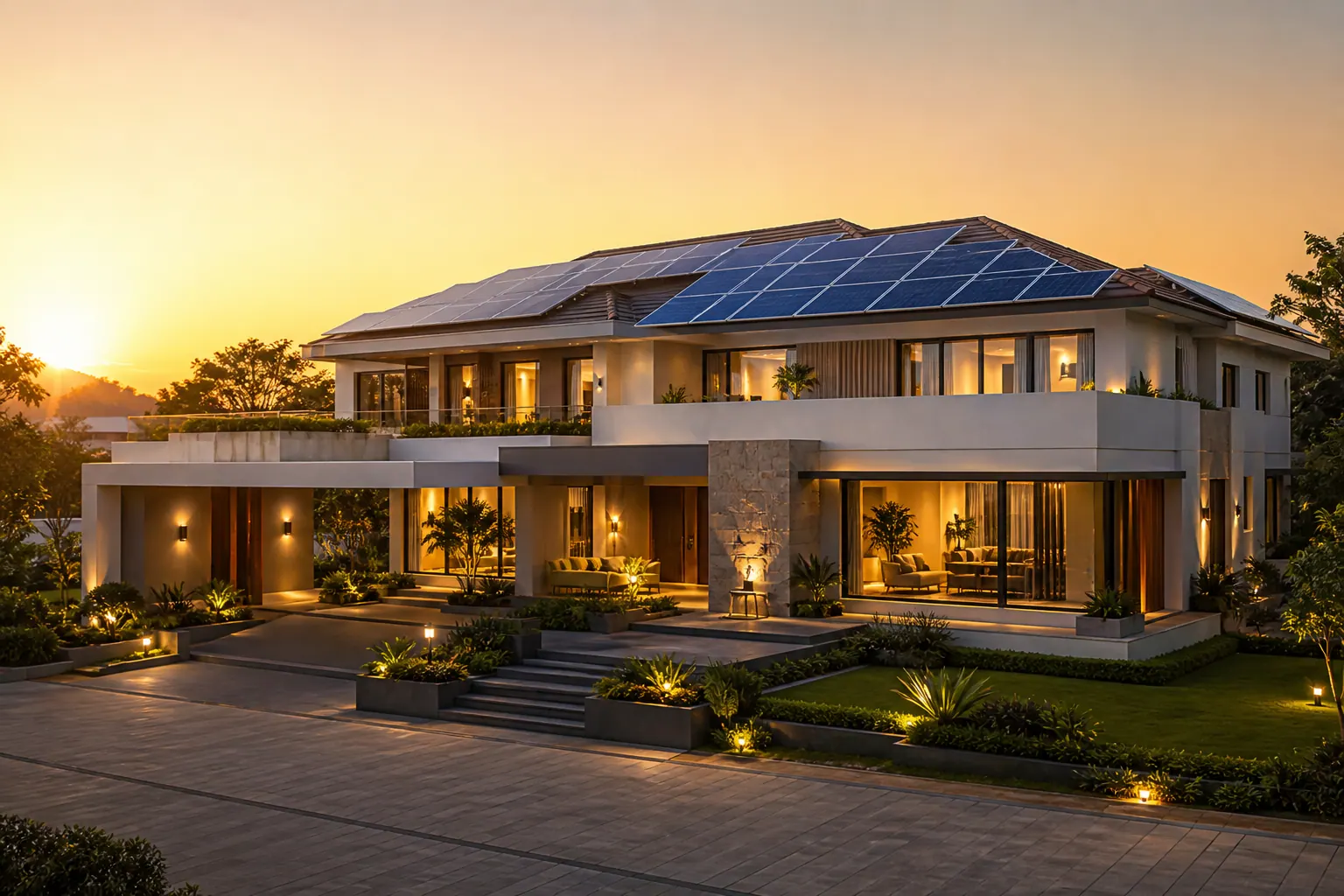
1kW vs 3kW vs 5kW vs 10kW Solar Systems
Compare 1kW, 3kW, 5kW, and 10kW solar systems—who each size fits, roof notes, and how to choose based on bills—not neighbours.
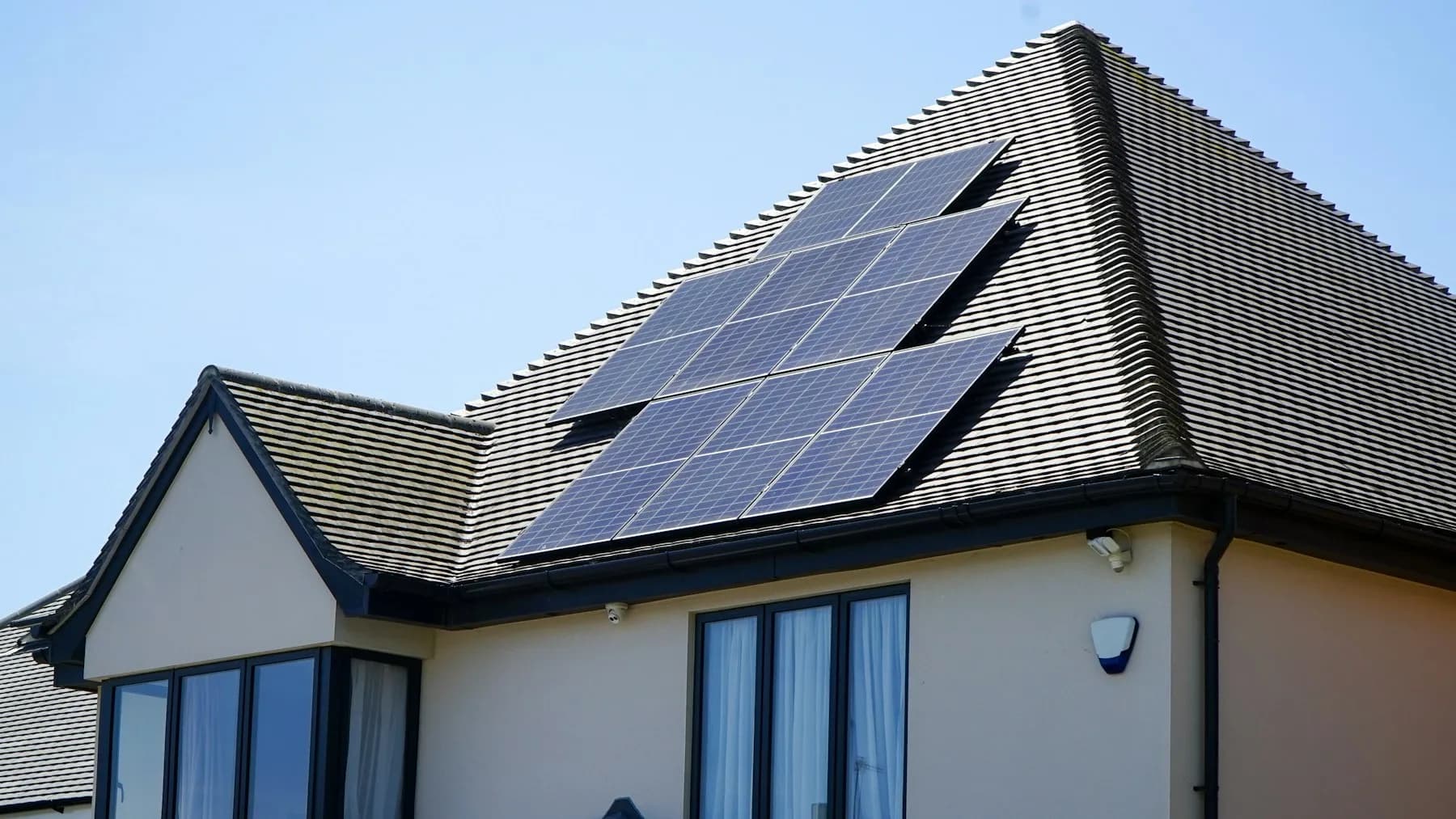
How Much Roof Space Do You Need for Solar Panels in Jaipur?
The roof area required for solar depends on more than system size. Usable space, shade, access and rooftop layout all matter.
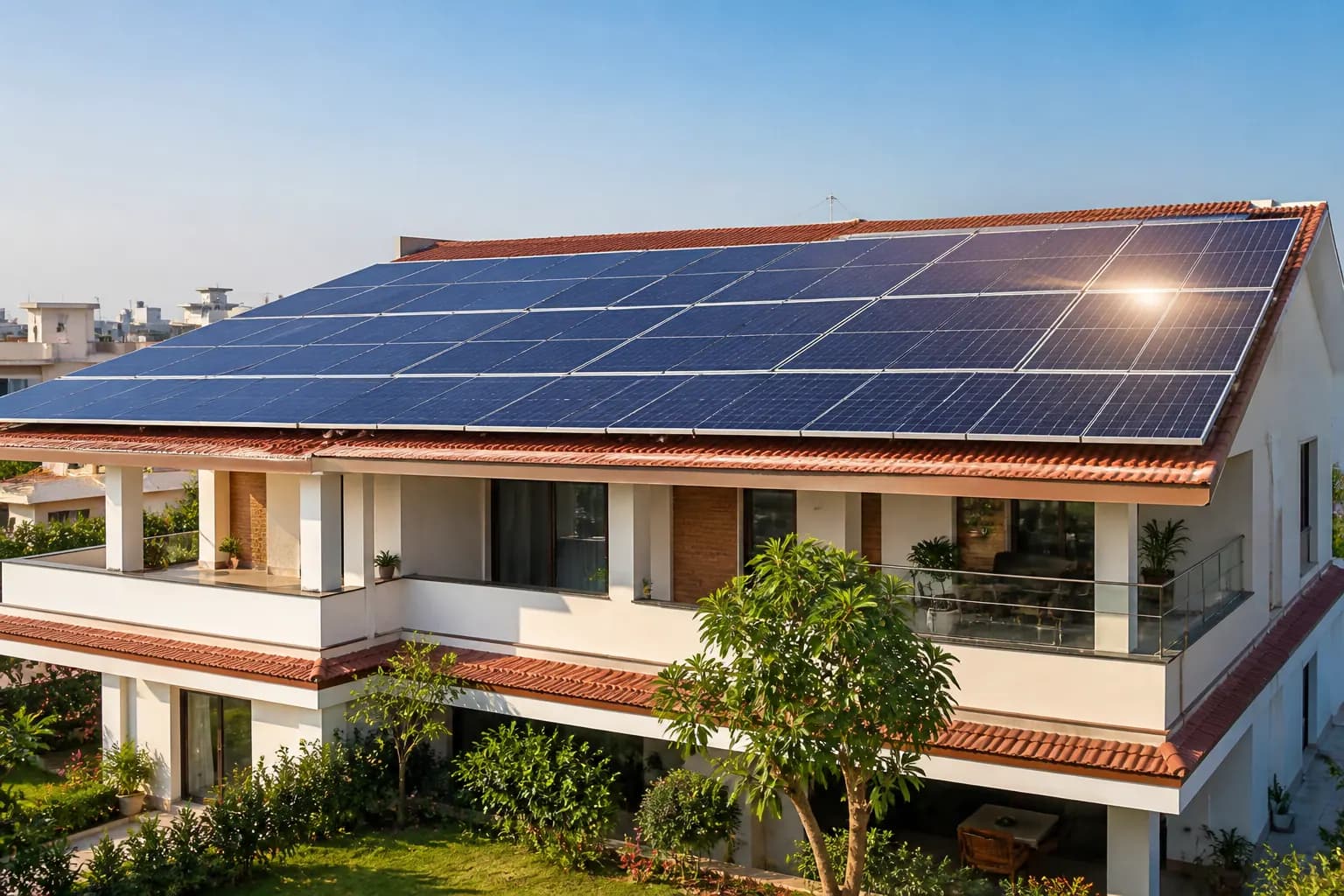
What Solar System Do You Need for a ₹5,000 Electricity Bill in Jaipur?
Paying around ₹5,000 monthly for electricity in Jaipur? Learn how to estimate the right solar system size using your electricity consumption, rooftop and usage pattern.